A
Airdrop → Airdrop is the distribution of free tokens, usually for promotional purposes. Example: some users received new tokens after participating in the DRX Token event.
Altcoin → Altcoin is all cryptocurrencies other than Bitcoin. Contoh: ETH, SOL, DRX Token.
Arbitrage → Arbitrage is a trading strategy that involves buying assets on an exchange at a low price and then selling them on another exchange at a higher price.
Audit → Audit is the process of thoroughly analyzing a smart contract's code to identify and repair security vulnerabilities and coding errors or inefficiencies.
B
Bag Holder → A bag holder is an investor who continues to hold assets even though their value has fallen dramatically.
Bear Market → Bear Market is a sluggish cryptocurrency market where prices are falling over the long term.
Bitcoin (BTC) → Bitcoin is the first cryptocurrency, the pioneer of the blockchain era.
Block → A block is a unit of transaction data on the blockchain.
Blockchain → Blockchain is a decentralized technology that becomes the foundation of cryptocurrency.
Burn (Token Burn) → Burn is the process of destroying tokens to reduce supply.
Bull Market → Bull market is a lively cryptocurrency market where prices are rising over the long term.
C
CeFi (Centralized Finance) → Centralized Finance is a centralized crypto service, such as a traditional exchange.
CEX (Centralized Exchange) → CEX is short for Centralized Exchange, a crypto exchange platform managed by a centralized party.
Cold Wallet → Cold Wallet is an offline crypto wallet (more secure).
Cross-Chain → Cross-Chain is the ability to transfer assets between different blockchains.
D
DAO (Decentralized Autonomous Organization) → Decentralized Autonomous Organization is a digital organization without a leader, running automatically through smart contracts.
DApp (Decentralized Application) → Decentralized Application is a blockchain application, such as Uniswap.
DeFi (Decentralized Finance) → Decentralized Finance is a finance ecosystem without a bank..
DEX (Decentralized Exchange) → Decentralized Exchange is an exchange without a centralized authority, such as PancakeSwap.
DePIN → DePIN (Decentralized Physical Infrastructure Network) is a model for physical infrastructure development that is managed in a decentralized manner using blockchain.
DYOR (Do Your Own Research) → Do Your Own Research is an important principle to avoid being scammed by fraudulent projects.
E
Ether → Ether is the native token of Ethereum.
Ethereum → Ethereum is a decentralized blockchain to build smart contracts and dApps.
ERC-20 → ERC-20 is a standard for Ethereum tokens.
ERC-721 → ERC-721 is a standard for NFT tokens on Ethereum.
Exchange → Exchange is a platform for cryptocurrency transactions, both CEX and DEX.
F
FOMO (Fear of Missing Out) → FOMO is the fear of missing out on investment opportunities.
Fork → Fork is a change in blockchain rules, for example Bitcoin → Bitcoin Cash.
FUD (Fear, Uncertainty, Doubt) → Fear, Uncertainty, Doubt (FUD) is a strategy to spread fear in order to cause prices to fall.
G
Gas Fee → Gas Fee is a transaction fee, especially common on Ethereum.
Genesis Block → Genesis Block is the first block in a blockchain.
H
Halving → Halving is the reduction of Bitcoin mining rewards every 4 years.
Hashrate → Hashrate is a measure of computing power in mining.
HOLD → HOLD is a strategy of holding crypto for the long term.
Hot Wallet → Hot Wallet is an online crypto wallet (convenient but more risky).
I
ICO (Initial Coin Offering) → Fundraising through new tokens.
IDO (Initial DEX Offering) → IDO (Initial DEX Offering) is a crowdfunding method for blockchain projects.
IEO (Initial Exchange Offering) → IEO (Initial Exchange Offering) is when tokens are launched through a centralized exchange.
Interoperability → Interoperability refers to the ability of different blockchain networks to communicate, exchange data, and collaborate without the need for a third-party intermediary.
K
KYC (Know Your Customer) → KYC (Know Your Customer) is an identity verification process on an exchange.
L
Layer 0 → Layer 0 is the basic blockchain infrastructure, such as Cosmos.
Layer 1 → Layer 1 is the main blockchain (Bitcoin, Ethereum, DRX Token).
Layer 2 → Layer 2 is a solution above Layer 1, such as Arbitrum and Optimism.
Liquidity Pool → Liquidity Pool is a collection of funds for DeFi trading.
Lightning Network → Lightning Network is a solution to speed up Bitcoin transactions.
M
Market Cap → Market Cap is the total value of circulating crypto assets.
Metaverse → Metaverse is a virtual world that uses NFTs & crypto.
Mining → Mining is the validation of blockchain transactions via computers.
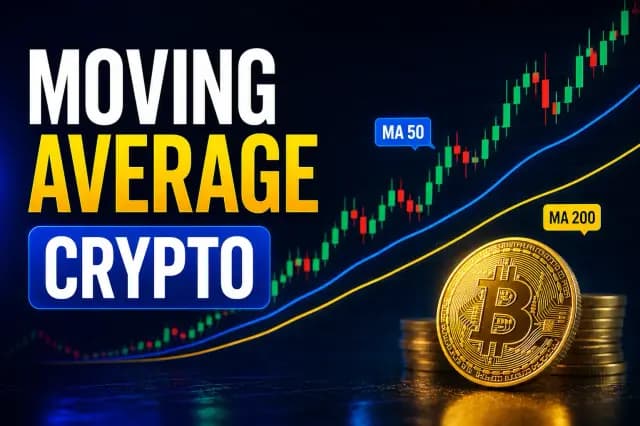
Moving Average → Moving Average is an indicator that calculates the average price of an asset over a certain period.
N
NFT (Non-Fungible Token) → NFT (Non-Fungible Token) is a unique token for artwork, music, or game items.
Node → Node is a computer that keeps the blockchain network running.
O
Oracles → Oracles adalah jembatan data dunia nyata ke blockchain.
P
P2P (Peer-to-Peer) → P2P (Peer-to-Peer) is a direct transaction between users.
Paper Wallet → A paper wallet is a physical wallet in the form of paper.
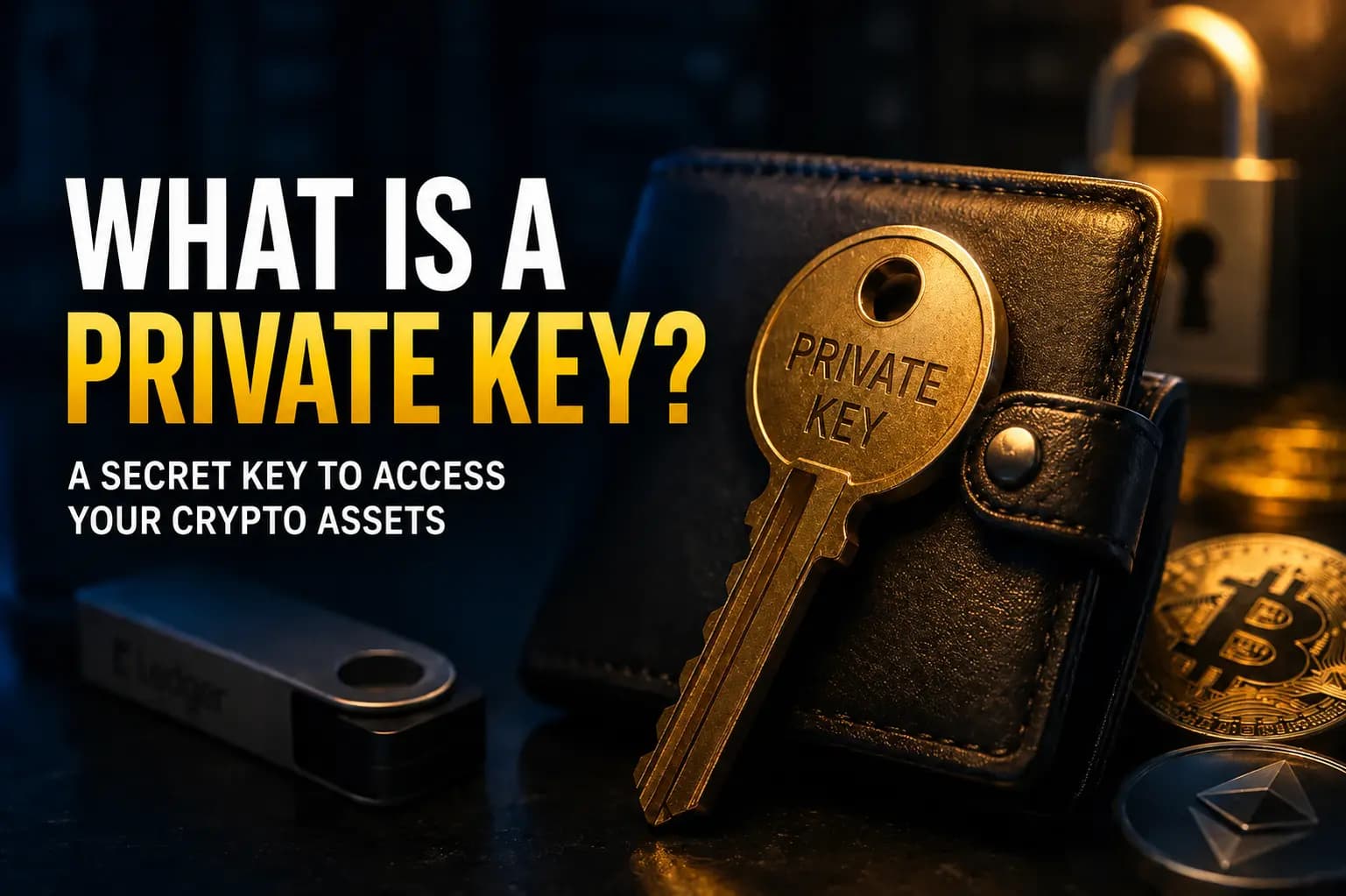
Private Key → A private key is a secret key for accessing assets.
Public Key → Public Key is a public address for receiving cryptocurrency.
Proof of Stake → Proof of Stake is a blockchain consensus mechanism that verifies transactions without requiring significant computational power.
Proof of Work → Proof of Work is a blockchain consensus mechanism that verifies transactions by completing certain tasks, such as mining in Bitcoin.
Q
Quantum-Resistant Crypto → Quantum-Resistant Crypto is a type of cryptocurrency designed to be resistant to quantum computers.
R
Rekt → Rekt is slang for a significant loss.
Real-World Assets (RWA) Tokenization → Real-world asset tokenization is the process of creating digital tokens in the blockchain that represent traditional financial assets with physical forms.
RPC Node → RPC node is a blockchain node that provides an interface for dApps to interact with the network.
Rug Pull → Rug Pull is a scam where developers run away with investor funds.
S
Satoshi (SAT) → Satoshi (SAT) is the smallest unit of Bitcoin.
Scalping → Scalping is a trading strategy for the very short term, where a trader opens and closes their position multiple times in a day,
Scam Token → Scam Token is a fake token used to deceive investors.
Sharding → Sharding is a technology to increase blockchain speed.
Smart Contract → Smart Contract is an automated digital contract based on code.
Stablecoin → Stablecoin is a cryptocurrency whose value is pegged to fiat currency (USD, IDR).
Staking → Staking is the process of locking assets to earn rewards.
Sybil Attack → Sybil Attack is a form of attack in which a single entity creates multiple fake identities or duplicate nodes to gain unauthorized control over a decentralized network.
T
Tokenomics → Tokenomics is the economics of a token (supply, distribution, and utility).
Trading → Trading is the buying and selling of digital assets to profit from price fluctuations
Trading Bot → Trading Bot is an automated program for trading crypto.
U
Utility Token → Utility Token is a token used for specific functions within an ecosystem.
V
Volatility → Volatility is the rate of fluctuation in crypto prices.
W
Wallet → Wallet is a digital crypto wallet.
Whale → A whale is a large holder of cryptocurrency assets.
Y
Yield Farming → Yield Farming is a DeFi strategy for generating returns by providing liquidity.
Z
ZK-Rollup → A ZK-Rollup is a blockchain scalability solution using cryptographic proofs.
How Are Crypto Terms Used?
FOMO
Many novice investors buy cryptocurrencies during a price increase because they don’t want to miss out. As a result, they buy at a high price and lose money when the price drops.
Rug Pull
In 2021, a cryptocurrency project named Squid Game Token scammed investors through rug pull, stealing millions of dollars.
HOLD
Investors who bought Bitcoin in 2015 for Rp4 million/BTC and held onto it until 2021, when Bitcoin was worth Rp900 million/BTC, earned thousands of percent in profit.
DRX Token: Not Just An Asset, But An Ecosystem
For those interested in staking, trading, or participating in secure airdrops, DRX Token can be the right choice. The DRX ecosystem continues to grow, with a focus on:
- Transparent staking rewards.
- Global liquidity for trading.
- An educational community that helps beginners understand crypto.
By mastering the terms above, you will find it easier to use platforms such as DRX Token and maximize your digital investment opportunities.
Conclusion
The world of crypto is full of unfamiliar terms, but they are the universal language of digital investors.
By understanding jargon from Airdrop to ZK-Rollup, you can:
- Avoid scams.
- Be more confident in investing.
- Actively interact with the investor community.
- Store assets securely.
Remember, crypto isn't just a trend—it's a technology that can shape the future of global finance.
Don't forget the DYOR (Do Your Own Research) principle before investing, and choose a trusted ecosystem like DRX Token for your journey into the world of cryptocurrency.
FAQ About Cryptocurrency and DRX Token
1. What is crypto in simple terms?
Crypto is a digital currency that uses blockchain technology to ensure the security, transparency, and decentralization of transactions.
2. Is crypto the same as Bitcoin?
No. Bitcoin is just one type of cryptocurrency. Currently, there are thousands of other crypto assets, including DRX Token, each with different functions and ecosystems.
3. How to buy DRX Token?
DRX Token can be purchased through official exchanges where the token is listed. You just need to register, deposit funds, and then purchase the desired amount.
4. Is crypto legal in Indonesia?
Bappebti has recognized cryptocurrency as a tradable commodity. This means that cryptocurrency is legal for investment, but not as an official means of payment.
5. Is investing in cryptocurrency, including DRX Token, secure?
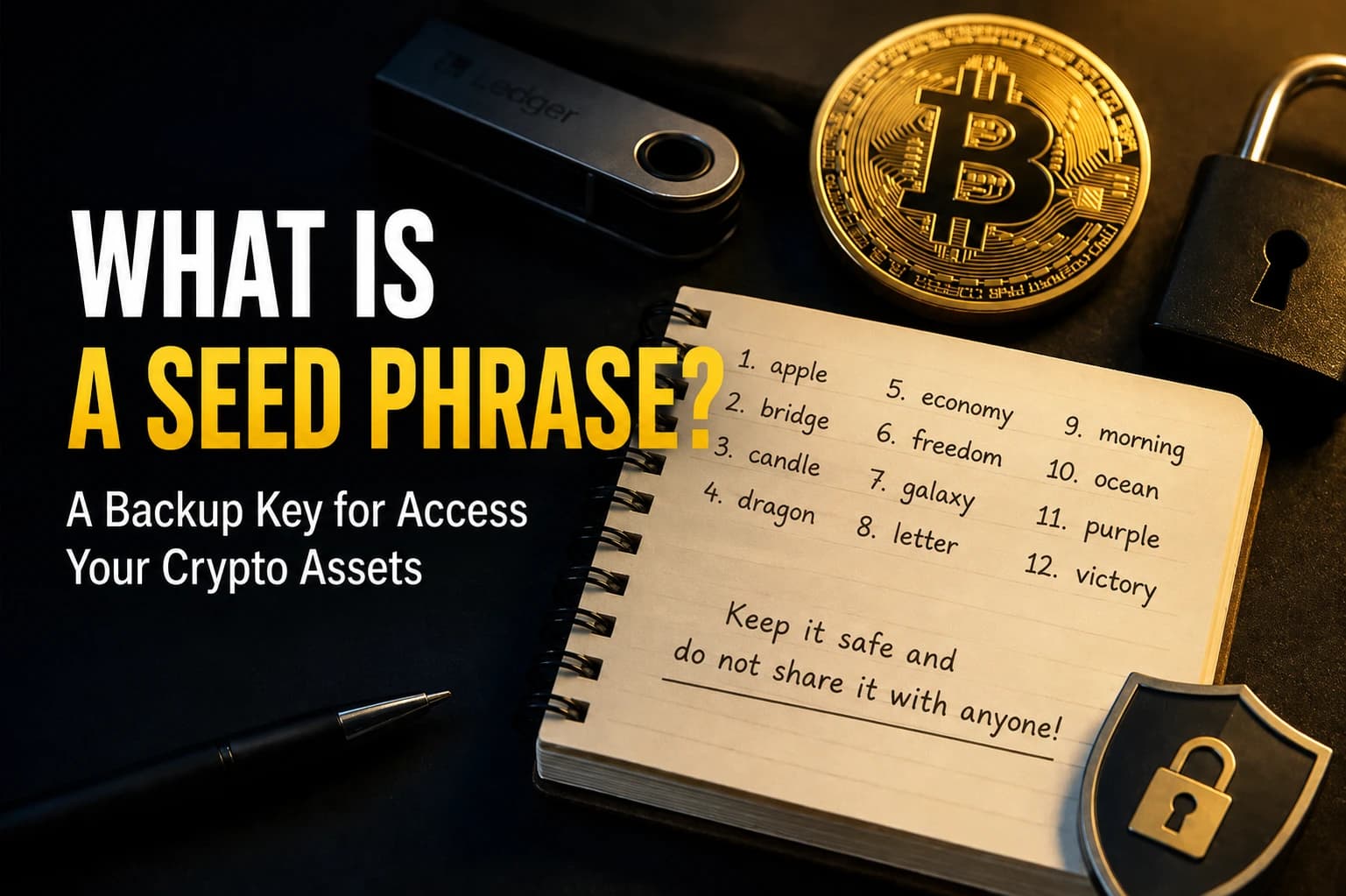
Security depends on how you store your tokens. Use an official wallet (such as Metamask or Trust Wallet), enable 2FA on the exchange, and never share your private key.
6. What sets DRX Token apart from other cryptocurrencies?
DRX Token focuses on a real utility ecosystem (e.g., integration with digital platforms and reward redemption), so it is not just a trading asset but has direct functionality for users.
7. Is DRX Token suitable for beginners?
Yes, because DRX Token has clear documentation, an active community, and a transparent roadmap. However, we still recommend understanding the basics of cryptocurrency before investing.
8. How to store DRX Token securely?
You can store it in a private (non-custodial) digital wallet or on a trusted exchange. For maximum security, use a hardware wallet.
9. What is the biggest risk of investing in cryptocurrency?
The risks include high price volatility, potential loss of access to your wallet, and scams. Therefore, it is crucial to choose a trusted project like DRX Token that has real-world utility.
10. What is the future of cryptocurrency and DRX Token?
Cryptocurrency is expected to be increasingly prevalent in the financial sector, entertainment, and gaming. DRX Token itself has the potential to grow as adoption increases within its ecosystem.