Assets That Can be Tokenized
There is a range of assets that can be tokenized, such as:
- Real estate: Residential and commercial properties, unused land
- Commodities: Oil, agricultural products, precious metals like gold
- Art and collectibles: Digital art, paintings, sculptures, and vintage items
- Financial instruments: Bonds, stocks, and other traditional securities
- Intellectual property: Royalties from music, patents, and trademarks
- Luxury goods: High-end watches, jewellery, and vintage cars
Technology and Regulation of Real-World Asset Tokenization
Technology Involved in Real-World Asset Tokenization
In practice, real asset tokenization uses the following technologies in its infrastructure:
- Blockchain: The buying, selling, distribution, and storage of real-world asset tokens takes place on either a public or private blockchain.
- Token Standards: Generally, fungible tokens on the Ethereum blockchain use ERC-20. Non-fungible tokens (NFTs) use the ERC-721 standard.
- Smart Contracts: Transactions and transfers of ownership of tokenized real assets are carried out automatically using smart contracts.
- Metadata: Connects digital assets with the legal, financial, and operational frameworks of those assets in the real world.
- Oracle: Bridges blockchain activities with off-chain facts so that tokenized real assets remain compliant with legal and financial frameworks.
Regulation of Real-World Asset Tokenization
Real-world asset tokenization regulations vary in each country. In Indonesia, regulations about the utilization of crypto assets, including real-world asset tokenization, are being drafted by OJK (Otoritas Jasa Keuangan).
Bisnis.com reports that tokenization of real-world assets, such as gold, securities, and property, has entered OJK’s regulatory sandbox.
After a year in the sandbox, tokenization of gold has officially received OJK’s approval. Thus, all transactions of tokenized gold are registered, regulated, and monitored by OJK.
Benefits and Challenges of Real-World Asset Tokenization
Benefits of Real-World Asset Tokenization
- Increased Liquidity: Physical assets that are difficult or expensive to trade can be broken down into smaller pieces and traded globally.
- Increased Access: Tokenization of real assets allows investors to own a portion of an asset instead of having to purchase its entirety. This creates access to new investors with small capital.
- Increasing Efficiency: Physical asset transactions tend to involve a long and complicated process. However, real asset tokenization transactions are finalized automatically by smart contracts.
- Transparent: Transactions can be verified by anyone, thereby preventing fraud and encouraging compliance with regulations.
- Cost-Effective: No brokers or intermediaries are needed to purchase an asset.
Challenges of Real-World Asset Tokenization
- Regulation: Regulations on real-world asset tokenization vary from country to country. Platforms must be quick and proactive in responding to regulatory changes in different jurisdictions.
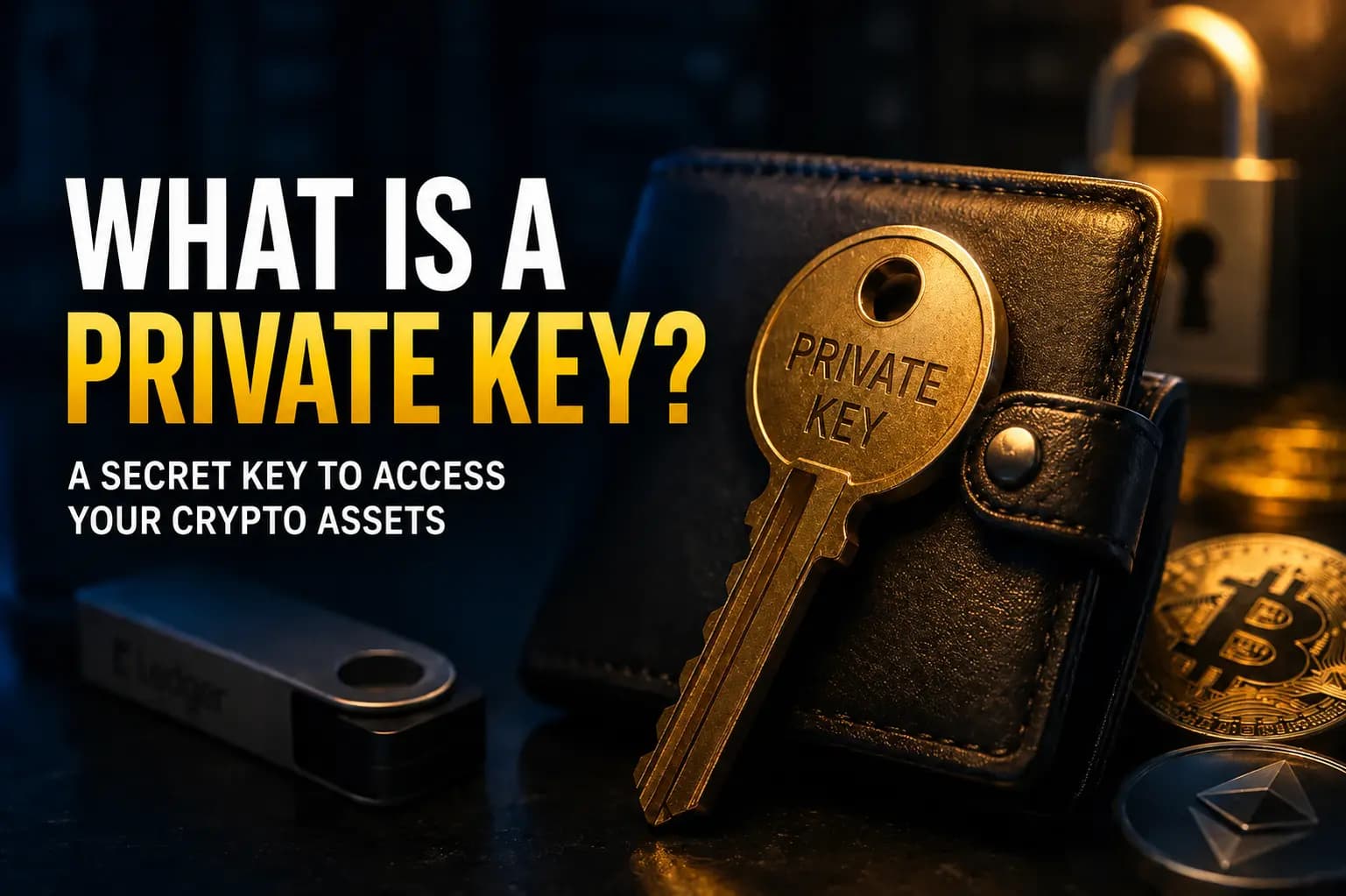
- Custodial Risk: Tokenized assets are stored in crypto wallets managed by third parties, such as financial institutions. If the private key is lost or stolen, ownership of the asset may be compromised.
- Oracle Risk: If the oracle is attacked by hackers, the blockchain may receive incorrect real-time data, causing asset prices to deviate from real-world conditions.
- Market Valuation: Tokenized real-world assets must have prices that reflect their real-world value while controlling speculative volatility.
Examples of Real-World Asset Tokenization Projects
Chainlink (LINK)
A decentralized oracle network that plays a crucial role in the tokenization of real-world assets by connecting off-chain data with the on-chain ecosystem.
Chainlink powers almost all protocols that tokenize real-world assets using a Proof of Reserve consensus.
Algorand (ALGO)
A blockchain platform that facilitates the tokenization of real-world assets using the Algorand Standard Assets (ASA) framework. Several real-world assets that have been tokenized through this blockchain include real estate, commodities, and intellectual property.
Centrifuge (CFG)
A protocol that bridges Decentralized Finance (DeFi) with real-world businesses. Its main product is Tinlake, a platform for pooling real-world assets, such as invoices, real estate, and royalties for investment.
Ondo Finance (ONDO)
A decentralized investment bank that brings traditional assets to the blockchain. One of its main products is the Ondo Short-Term US Government Bond Fund (OUSG), a tokenized US government bond.
Pax Gold (PAXG)
An Ethereum-based token backed by physical gold. Each unit of PAXG is pegged to one troy ounce of pure gold. PAXG token holders can own gold without having to worry about how to store physical gold safely.
Pendle (PENDLE)
A platform for tokenization and yield trading. Assets are divided into two types of tokens: principal tokens and yield tokens. These two tokens can be traded separately. Yield-generating assets such as government bonds are well-suited to this concept.
FAQ
Is real-world asset tokenization safe?
In general, tokenization of real-world assets is safe as long as it is done on a trusted and audited blockchain to prevent smart contract risks. However, without clear regulations, token owners may not be able to exercise ownership rights over an asset. Therefore, investors should choose a reputable platform for buying and selling tokenized real-world assets.
What are the benefits of real-world asset tokenization?
The advantages of real-world asset tokenization include:
- Higher liquidity.
- Transparent on-chain management.
- Fewer transaction barriers than traditional assets.
- Easier access to asset exchanges.
Does Indonesia have a tokenized real-world asset?
Yes, Indonesia has its first real estate asset tokenization product through a blockchain-based Real Estate Investment Fund (DIRE) scheme. This is a collaboration between BTN (Bank Tabungan Negara) as the asset owner, PT Reliance Manajer Investasi (RMI) as the investment manager, and D3 Labs as the blockchain technology provider.
BTN provides the property assets to be tokenized by D3 Labs. Later, the DIRE product issuers will be property owners who are active debtors of BTN. The assets will then be managed by RMI.
What is the future of real-world asset tokenization?
Several key trends that will shape real-world asset tokenization are:
- Regulated stablecoins will make transaction finalization easier and with less friction.
- Real-world asset tokens can move from one blockchain to another thanks to enhanced interoperability.
- Blockchain legal frameworks continue to evolve to resolve disputes of digital land and IP asset ownership.
- More advanced Oracle technology to increase investor confidence.
Conclusion
Tokenization of real-world assets offers one of the greatest potential in today’s digital financial world. Technological advancements will continue to make tokenization of real-world assets faster, more secure, and more accessible. Someday, anyone can own real estate, gold, or unique artwork without needing a large capital investment.
Just like other digital tokens, tokenized real-world assets are stored in a blockchain and accessible through a crypto wallet. Learn how to choose a secure wallet in the article: How to Choose the Best Crypto Wallet for Beginners.