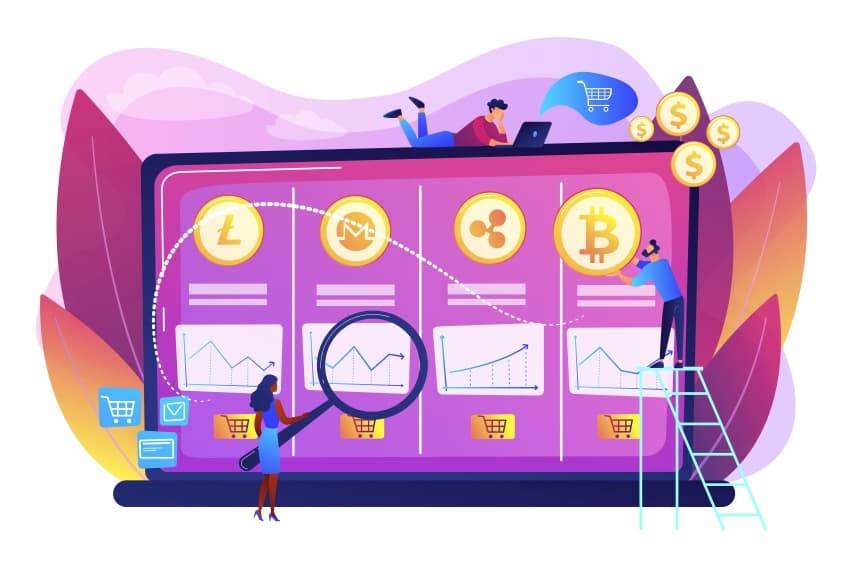
Through research, you can judge whether a project has real value, a trustworthy team, and a realistic vision.
Why is DYOR Important in Cryptocurrency?
Cryptocurrency is vastly different from stocks or other traditional monetary instruments. There is no institution, like OJK, that monitors each token or blockchain project.
Anyone can create new tokens on networks such as Ethereum in just a few minutes—without asking anyone’s permission.
This condition creates opportunities for innovation, but also presents gaps that can be exploited for fraud.
DYOR serves as your shield to protect yourself from risky projects such as:
- Rug Pull – The developer team withdraws all liquidity and runs away, leaving investors with tokens that have no value.
- Scam Token – Fake tokens that imitate names of popular projects to scam investors.
- Pump and Dump – A scheme where a token’s price is pumped through promotion, then mass-sold by a certain party.
- FOMO Trading – Investors buy tokens because they fear missing out on trends, not because they understand the project.
Through DYOR, you can avoid emotional decisions and instead make investment decisions based on data and logic, not hype.
How to Do Your Own Research Effectively and Realistically
Doing your own research doesn’t mean you have to be an expert in blockchain. All you need is curiosity and critical thinking skills to absorb information. Here are practical steps you can follow:
1. Study the Developer Team and the Whitepaper
The developer team is the heart of every cryptocurrency project. Know who they are, what their background is, and what their previous experiences are.
You can check their LinkedIn profiles, official sites, or repository codes on GitHub.
Next, read the project’s whitepaper. A whitepaper is an official document that describes a project’s idea, vision, technology, and roadmap in detail.
If the whitepaper looks crudely written, is full of empty promises, or doesn’t provide clear technical descriptions, better beware. A legit project should have an informative, transparent, and logical whitepaper.
2. Analyze Tokenomics Thoroughly
Tokenomics explain how a token is distributed, used, and maintained in value. A few important things you should note:
- What is the total supply and circulating supply?
- Who holds the most tokens (check via holders on Etherscan)?
- Does the token have real-world uses (utility) or just speculative value?
- Is there a burning or staking mechanism that maintains price stability?
A healthy tokenomics suggests that the project is concerned about long-term continuity, not just chasing momentary hype.
3. Look at Social Media and Community Activity
Community is the life of a cryptocurrency project. A good project typically has an active, transparent, and naturally engaged community on social media, such as X (Twitter), Telegram, or Discord. However, beware of fake communities. Many projects utilize bots to simulate a “crowd”, when it truth, it is full of fake accounts. Pay attention to how administrators answer questions, whether they are transparent about the project’s development, and whether updates are reported regularly on official blogs like Medium.
4. Use On-Chain Tools for Data Validation
One of the advantages of cryptocurrency is that all data is available publicly. You can utilize free tools to check on-chain data, such as:
- Etherscan: to view ERC-20 token contract and transaction activity.
- DEXTools: to monitor liquidity, trading volume, and price trends.
- CoinMarketCap / CoinGecko: to see market capitalization and token price shifts.
These data will help you determine whether a project is actually legit or just a gimmick. For example, if the liquidity is very low and only one or two large wallets control most of the tokens, the project is likely to carry high risks.
5. Read Credible Sources, Not Just Opinions
DYOR doesn’t mean you have to reject every external information. You can still learn from analysts or crypto media, but make sure they are credible and not sponsored. Avoid following advice from influencers that don’t explain their reasoning with data. Consume information from media known for their objectivity, such as CoinDesk, Messari, Decrypt, or The Block. If you find a mind-blowing claim (“This token will surely increase 100x!”), it’s time to pause and verify.
Case Study: How DYOR Saves Investors
Say you find a new token named “FutureCoin” that promises 10x returns in a week. Many influencers discuss it on X, and the price increases rapidly. But thanks to DYOR, you check its whitepaper—apparently, there is no detail about the product being developed.
On Etherscan, you see that 90% of the tokens are in one wallet. In the Telegram group, the administrator only responds to questions with emojis and amazing promises. From this simple research, you can conclude that this project is fishy.
A few days later, the project disappears. Investors lose all their money, but not you—because you did your own research.
One thing to learn through DYOR is token standards, such as ERC-20. Read the full explanation on how it works and the benefits of ERC-20 in ERC-20 Is: Definition and Function of Ethereum Tokens
Common Mistakes in DYOR
Many people think they’ve done their due research, when in fact, they have not. Here are a common mistakes:
Putting Too Much Trust in Influencers and Friends
Don’t use other people’s opinions as the basis of your investment decisions.
Not Reading the Whitepaper or Other Official Documents
Some investors don’t even know what project they are buying and what it does.
Ignoring Technical Data
On-chain data provides tell-tale signs of a project’s activity.
Falling Into Hype Without Analysis
The DYOR principle teaches investors to avoid making a decision until all information is clear.
Practical Tips for an Effective DYOR
- Make time every day to read news and reports about new projects.
- Record research results in your notes or a spreadsheet.
- Read through at least 3 different sources before coming to a conclusion.
- Learn how to read simple token contracts on Etherscan.
- Don’t buy in a rush just because of FOMO (fear of missing out).
DYOR is a continuous process, not a one-time task. The more you do it, the sharper your intuition will be in investing.
Conclusion: DYOR, The Key to Surviving in Cryptocurrency
The cryptocurrency market is full of opportunities and risks. There is no instant pathway to success in this world, but DYOR is the best step to protect yourself from losses. By doing your own research, you don’t just avoid scams, but also build a deeper understanding of how digital assets work.
A good investor who regularly does their own research will be calmer, wiser, and better prepared in facing market volatility. So, before buying any token, ask yourself: “Have I really done my research?” If the answer is no, spare some time to do so. In cryptocurrency, knowledge is the best form of protection.
If you’re just getting into cryptocurrency, understanding basic terms will be a great help to your DYOR process. Read through other important terms in this article: 70+ Crypto Terms and Definitions for Beginners | DRX Token Dictionary
FAQ About DYOR
1. What does DYOR stand for in cryptocurrency?
DYOR stands for Do Your Own Research, an important step before investing.
2. Is DYOR only for beginners?
No. Even professional investors always do their own research before entering a new project.
3. I don’t understand blockchain. How do I do my own research?
Start small: read the project’s whitepaper, look into the developer team, and check the project’s data on sites like CoinMarketCap.
4. What tools can help DYOR?
Use Etherscan, DEXTools, Messari, or CoinGecko to monitor token and project activities.
5. Does DYOR guarantee profit?
No, DYOR does not guarantee profit. However, it can help you avoid making decisions you will regret and minimize risks.
Key takeaway: DYOR is not just advice, but an important culture that every cryptocurrency investor should have. The more you research, the less likely you are to fall into hype or scams.