History of Smart Contract Development
The development of smart contracts began with the emergence of the Ethereum blockchain in 2015, which enabled the creation and execution of more complex and flexible smart contracts.
The Difference between Smart Contracts and Traditional Contracts
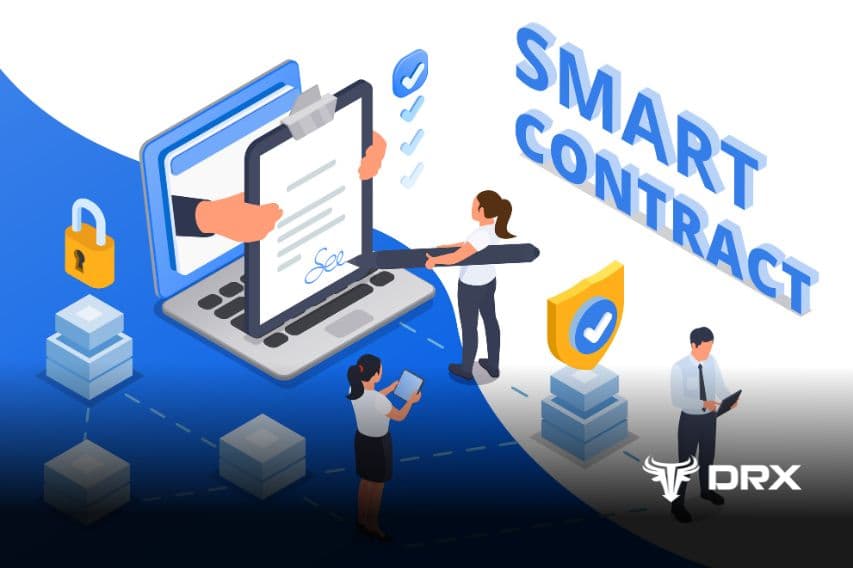
Smart contracts differ from traditional contracts in that they are executed by code, eliminating the need for intermediaries. It also increases security and transparency.
With cryptography, smart contracts maintain security and data integrity. Ethereum is one of the pioneering platforms in smart contract implementation.
How Smart Contracts Work in Blockchain
Smart contracts undergo several important steps to ensure security and effectiveness. To understand how they work, you should know the basic principles of blockchain.
"If-Then Logic" in Execution
Smart contracts use the “if-then” logic. This means that when certain conditions are met, certain actions will be executed. This principle enables the automation of transactions and other processes in blockchain.
- Certain conditions are programmed into the smart contract.
- Actions are executed automatically when the conditions are met.
- Transactions are recorded transparently and securely on the blockchain.
Verification and Consensus Process
Verification and consensus are essential in blockchain, as they ensure the integrity of smart contracts. This process involves validating transactions using nodes in the blockchain network.
The Role of Programming Codes (Solidity and Other Alternatives)
Programming code, such as Solidity, plays a crucial role in the development of smart contracts. Solidity is a programming language for writing smart contracts on the Ethereum platform.
There are also alternative programming languages for smart contracts, such as:
- Rust for Solana
- Vyper as a Solidity alternative
By understanding how smart contracts work, you can utilize this technology for various applications, from DeFi to NFTs.
Blockchain Technology as the Foundation of Smart Contracts
Blockchain technology is the basis of smart contracts. It makes transactions secure and open to everyone. Let's learn how blockchain supports smart contracts.
Decentralization and Transparency
Blockchain enables smart contracts to operate without a central authority. Data and transactions are distributed across the network. This makes them difficult to manipulate.
Transparency is another key feature. All transactions on the blockchain are visible to the public. You can see every step of a smart contract.
Cryptography Security
Blockchain uses cryptography to protect data and transactions. Advanced cryptographic algorithms ensure data security. Data cannot be altered or accessed without permission.
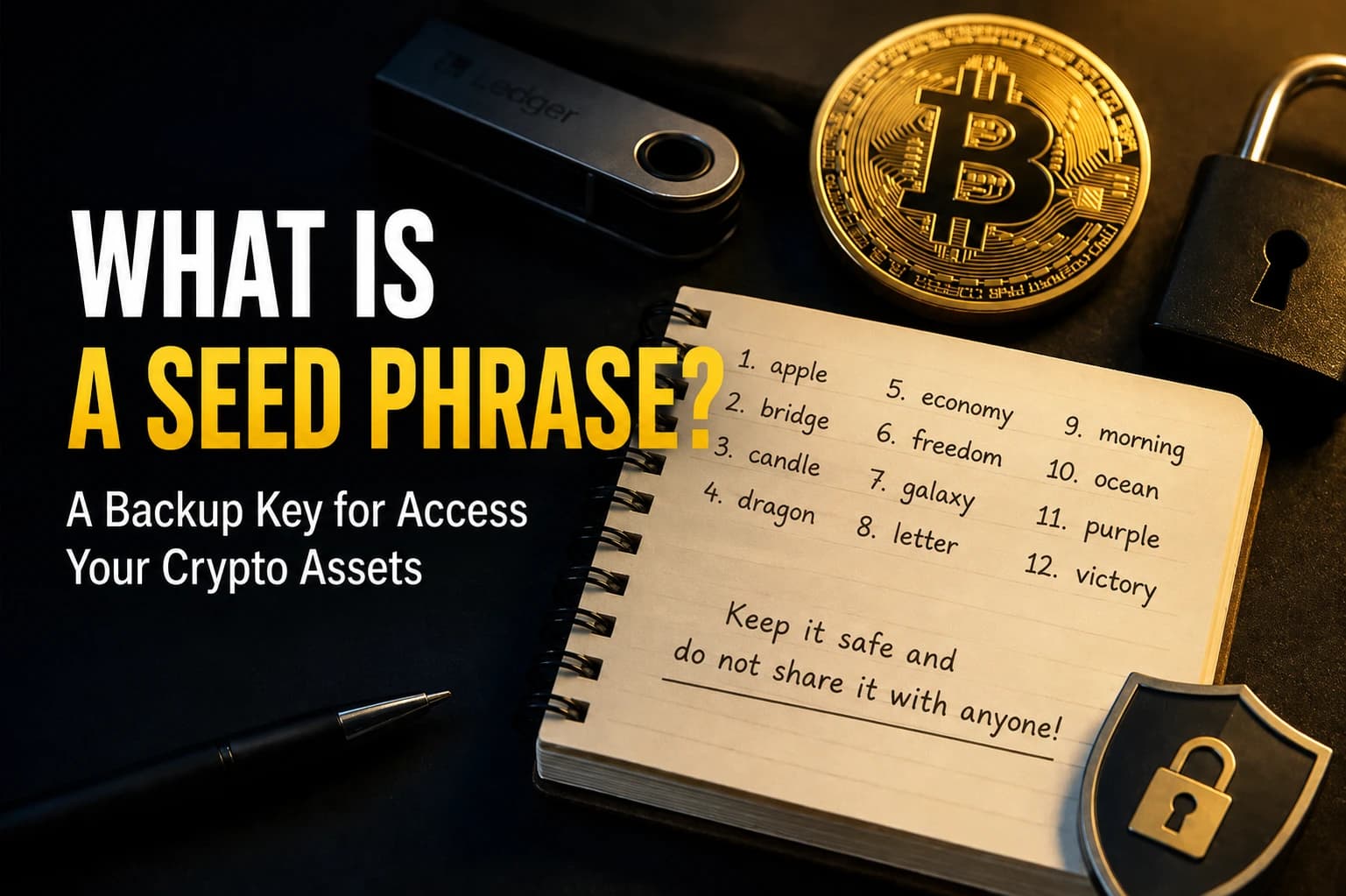
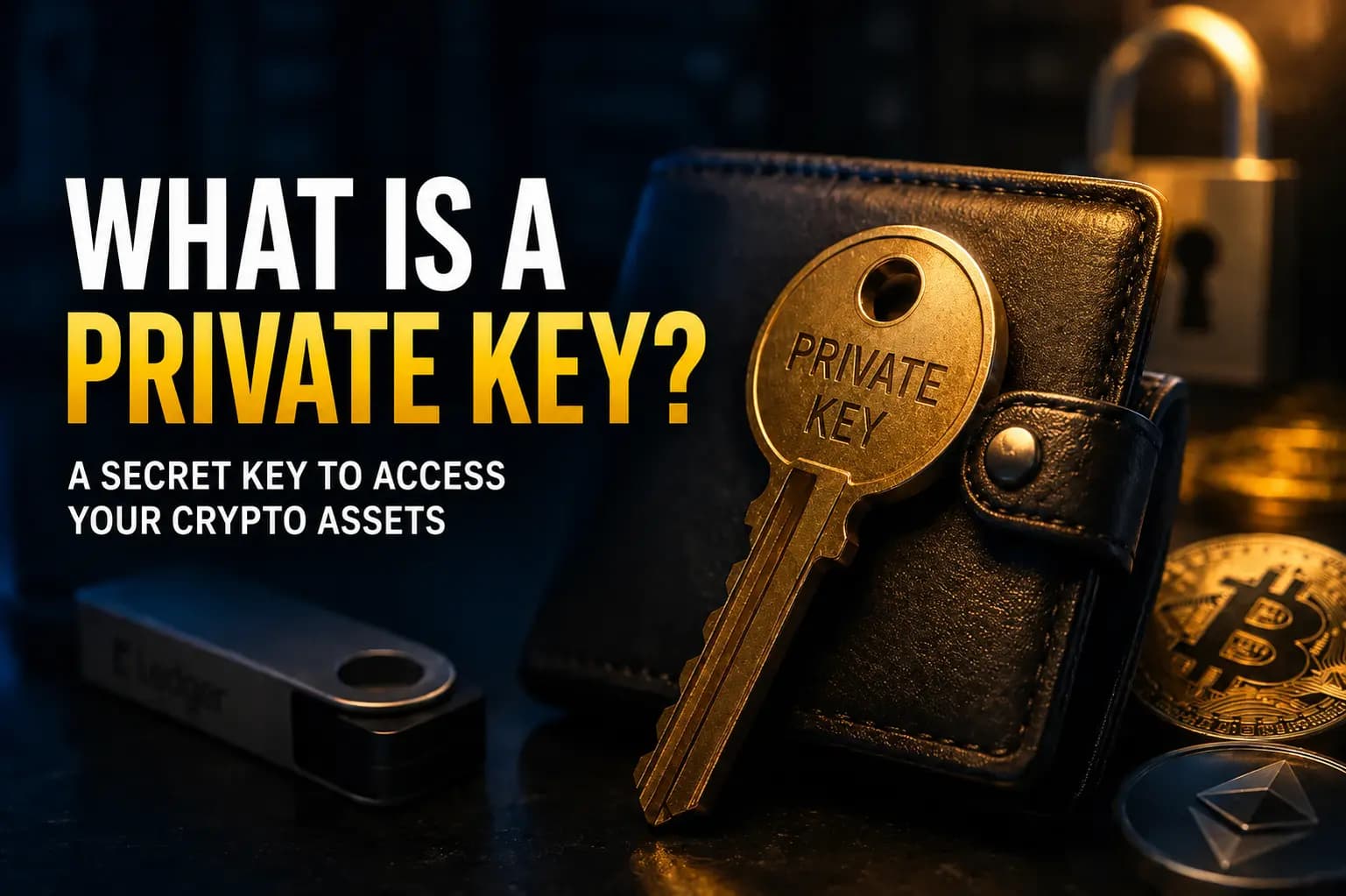
- Cryptographic public and private keys protect transactions..
- Hash algorithms ensure data remains intact.
- Advanced encryption protects data from illegal access.
Public Verification and Immutability
Every transaction on the blockchain is verified by the public network. This ensures transactions are valid and trustworthy. Once verified, transactions cannot be altered, making the data immutable
Thus, blockchain provides a strong foundation for smart contracts. They can operate securely, openly, and effectively.
Blockchain has grown rapidly. Now, many platforms support smart contracts. Choose a platform that best meets your needs.
Ethereum: A Pioneer of Smart Contracts
Ethereum is the first blockchain platform to support smart contracts. With Solidity, developers can create automated smart contracts.
Ethereum creates opportunities for developers and businesses. With it, they can design innovative decentralized applications (dApps).
Alternative Platforms: Solana and Binance Smart Chain
Solana and Binance Smart Chain are strong alternatives to Ethereum. Solana is fast and has low gas fees, ideal for efficient developers.
Binance Smart Chain is compatible with the Ethereum Virtual Machine (EVM). This makes it easy to migrate projects from Ethereum.
Comparison of Gas Fees and Transaction Speed
Gas fees and transaction speed are important factors in choosing a platform. Ethereum is popular, but it has high gas fees and is relatively slow.
On the other hand, Solana and Binance Smart Chain offer lower fees and faster speeds. However, each platform has its advantages and disadvantages.
Understanding these differences helps you make an informed decision for your smart contract.
Benefits and Implementation of Smart Contracts in Various Industries
Smart contracts have transformed many industries with their automation capabilities. Blockchain technology enables faster, safer, and more transparent transactions.
Automation of Financial Transactions
Smart contracts enable financial transactions without intermediaries. This makes the process faster and more efficient.
- Reduces transaction costs.
- Increases transaction speed.
- Enhances transparency and security.
Applications in DeFi (Decentralized Finance)
DeFi extensively uses smart contracts. You can conduct financial transactions without intermediaries, such as lending and borrowing.
Usage in NFTs and Digital Assets
Smart contracts are also important in NFTs and other digital assets. They allow creators to verify ownership and control distribution.
Staking and Reward Systems
Staking and reward systems also use smart contracts. This makes reward systems automatic and transparent, allowing for more secure staking.
- Improving staking security
- Automating reward distribution
- Increasing system transparency
Smart contracts create new opportunities for various industries. For example, DRX Token utilizes smart contracts to improve efficiency and security.
Challenges and Risks of Smart Contracts
Understanding the challenges and risks of smart contracts is crucial to avoid major losses.
Smart contracts offer many advantages. However, there are several risks that must be managed properly.
Security Vulnerabilities
Security vulnerabilities in smart contracts can result in significant losses. These are often due to coding errors or unaddressed security gaps.
An example of a smart contract exploit is the DAO attack in 2016, which resulted in significant losses.
The Importance of Smart Contract Audits
Smart contract audits are crucial for identifying security vulnerabilities before the contract is deployed.
The audit process involves a thorough examination of the smart contract code. The goal is to ensure that there are no security loopholes that can be exploited.
Strategies to Mitigate Risks
There are several strategies to reduce risk. For example, using multi-signature wallets, implementing pause functions, and using tested libraries.
By understanding these challenges and risks, you can be better prepared to manage and reduce potential losses in smart contracts.
DRX Token: A Case Study of Smart Contract Implementation
DRX Token utilizes an innovative smart contract. This makes transactions more transparent and secure using blockchain technology.
Introducing DRX Token and its Ecosystem
DRX Token is a blockchain project that focuses on a decentralized ecosystem. DRX Token’s smart contract allows efficient transactions without intermediaries.
Smart Contract Features on DRX
DRX Token's smart contracts have outstanding features, such as transaction automation and cryptographic security. These features enable faster and more secure transactions.
DRX’s Tokenomics and Mechanism
DRX Token's tokenomics are designed to incentivize users. These mechanisms include a staking and reward system.
Staking dan Rewards System
DRX Token's staking system allows users to lock tokens to earn rewards. Rewards are given based on user contributions.
Transaction Orchestration and Advantages of DRX
DRX Token enables efficient transactions through transaction orchestration. Smart contracts increase transaction speed and reduce costs.
DRX Token is a successful example of smart contract implementation on the blockchain.
Conclusion: Smart Contracts Increase Efficiency and Transparency
We have discussed smart contracts in depth, from their definition to how they work in various industries. This technology improves efficiency and transparency in transactions and business.
Smart contracts offer numerous benefits. For example, financial transaction automation and applications in DeFi. This demonstrates the immense potential of this technology to transform how we interact with digital contracts.
However, it is also crucial to understand the challenges and risks of smart contracts, such as security vulnerabilities and the importance of audits.
By understanding smart contracts, we can leverage this technology to improve security, efficiency, and transparency in our digital lives.
FAQ
What is a smart contract and how does it work?
Smart contracts are contracts that run automatically. They are executed based on certain pre-programmed conditions. The blockchain technology ensures transparency, security, and immutability.
What is the difference between smart contracts and traditional contracts?
Traditional contracts require an intermediary to verify the agreement. Meanwhile, smart contracts execute transactions automatically without intermediaries.
What is the "if-then logic" in a smart contract?
“If-then logic” is a logic in smart contracts. It determines actions based on certain conditions. If the conditions are met, the programmed actions will be executed.
How is the security of smart contracts guaranteed?
The security of smart contracts is guaranteed by cryptography and blockchain verification. Thorough audits are also important to identify vulnerabilities.
What are gas fees, and how do they affect smart contract transactions?
Gas fee is the cost for blockchain transactions, such as Ethereum. This fee varies according to the complexity of the transaction and network conditions.
What is Ethereum’s role in smart contract development?
Ethereum supports smart contract development. This platform allows developers to create and execute smart contracts with Solidity.
How are smart contracts used in DeFi?
Smart contracts are used in DeFi to automate financial transactions, including lending, borrowing, and trading without intermediaries.
What is tokenomics, and what does it have to do with smart contracts?
Tokenomics is the study of token economics. Smart contracts are important in regulating tokenomics, such as staking and rewards.
How to mitigate security risks in smart contracts?
Security risks can be mitigated through thorough audits and comprehensive testing. Choosing the best development practices is also important.