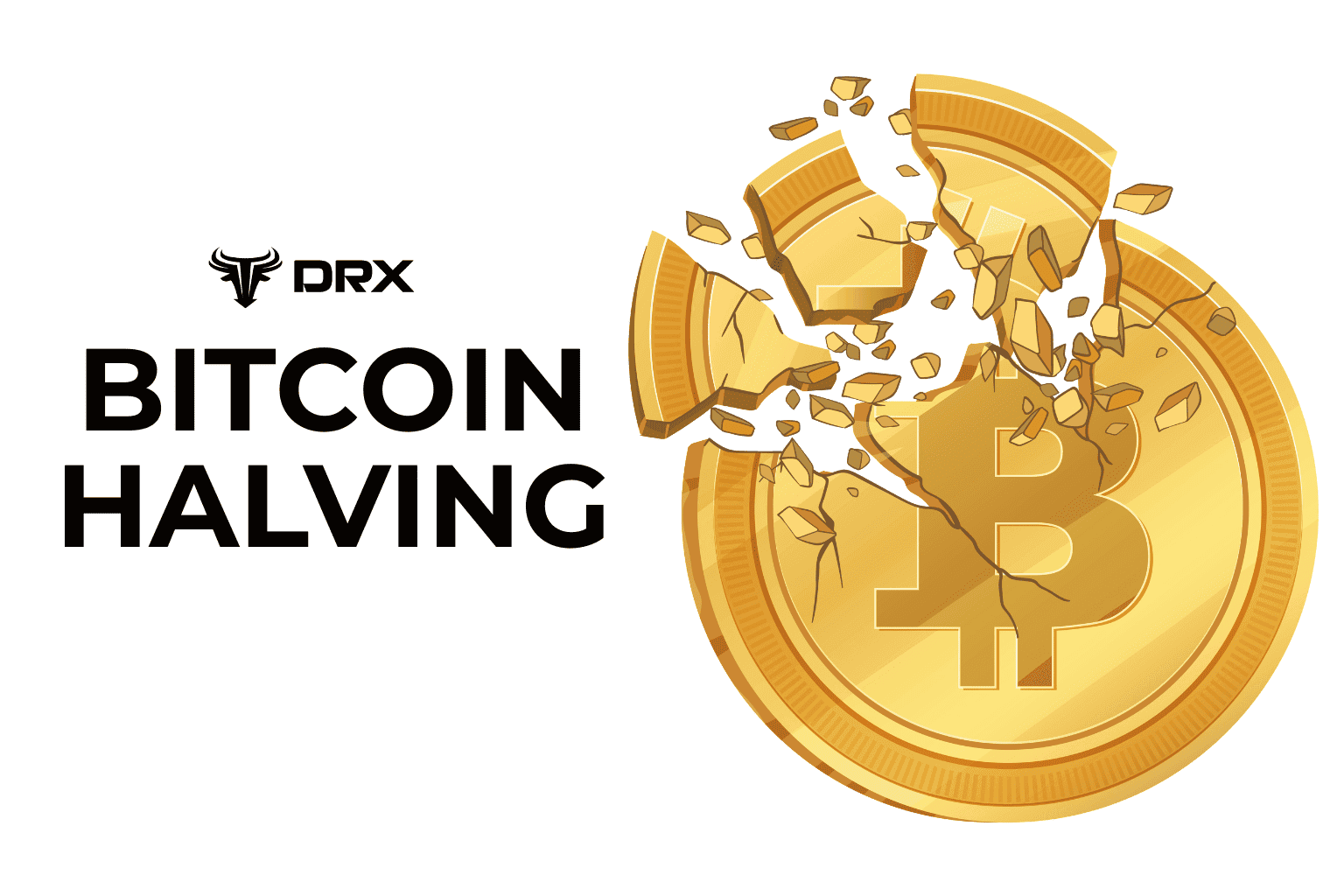
- 2009: Bitcoin was launched. The mining reward for 1 block was 50 BTC.
- November 28, 2012: First halving. The reward became 25 BTC.
- July 9, 2016: Second halving. The reward became 12.5 BTC.
- May 11, 2020: Third halving. The reward became 6.25 BTC.
- April 20, 2024: Fourth halving. The reward became 3.125 BTC.
The next halving will occur in 2028, when the mining reward will be cut to 1.625 BTC.
Bitcoin can be divided into the smallest unit called a satoshi, which is equivalent to 0.00000001 BTC. If the Bitcoin halving schedule remains the same, the Bitcoin mining reward will reach this value in 2136. The final halving is estimated to occur in 2140. This means that Bitcoin can still undergo 29 more halvings.
Impacts of Bitcoin Halving
In addition to understanding what Bitcoin halving is, investors must understand its impact. The Bitcoin halving process affects the Bitcoin ecosystem and market value.
Impacts of Bitcoin Halving on Inflation
Inflation occurs when a currency's purchasing power decreases over time. Bitcoin combats inflation by reducing mining rewards and maintaining scarcity. This way, the value of Bitcoin will continue to rise due to the limited supply of coins.
Impacts of Bitcoin Halving on Demand
Halving reduces the number of new Bitcoins created, so demand for Bitcoin tends to increase. Historically, the price of Bitcoin has generally risen after halving.
Impacts of Bitcoin Halving on Investors
The impact of Bitcoin halving on investors is quite significant. Halving does reduce the supply of new coins, but it also promises an increase in investment value.
Impacts of Bitcoin Halving on Mining
Even though the price of Bitcoin continues to fluctuate, mining remains profitable. This is seen in the number of mining companies that are still operating today.
However, Bitcoin halving reduces mining rewards. Every time halving occurs, mining becomes less profitable if Bitcoin’s price remains stagnant or declines.
Large mining companies must increase their mining capacity by upgrading facilities and equipment. Meanwhile, small miners will lack mining opportunities or receive much smaller rewards.
Why Bitcoin Halving Matters
After understanding what Bitcoin halving is, it is time to explore why it matters.
Increases Scarcity
As a digital asset comparable to gold, Bitcoin's value lies in its scarcity mechanism. Bitcoin halving is important in reducing inflation and increasing scarcity. Halving “forces” scarcity so that Bitcoin earns a value proposition as a store of value.
Potentially Increases Prices
Historically, after halving, Bitcoin enters a bullish cycle. Sentiment toward Bitcoin has always fluctuated, but Bitcoin investors and analysts view halving as a catalyst of bullish conditions due to supply constraints.
Encourages New Mining Strategies
Bitcoin miners continue to face challenges, like fewer rewards and rising energy costs. Therefore, individual and corporate miners must adapt to new strategies, such as diversifying mining locations in areas with low energy costs or optimizing costs through efficient machines and lower electricity rates.
Predictions Post-Bitcoin Halving
After Bitcoin halving occurs, analysts and investors predict (and even anticipate) price increases. Evidently, after the fourth halving in 2024, Bitcoin's dominance rose from 64% to 72%, while Ethereum and Solana's dominance declined.
In the upcoming 2028 halving, mining rewards will decrease even more. In the past, miners earned income from mining rewards. However, miners are now predicted to rely on transaction fees as their main source of income.
Conclusion
What is Bitcoin halving? This concept can be easily explained as an event that cuts 50% of Bitcoin mining rewards every four years. Halving reduces the supply of new coins and increases the scarcity of Bitcoin.
How does mining work, and how do you get started? Learn the complete mining guide in the article What is Crypto Mining and How to Start: A Complete Guide.