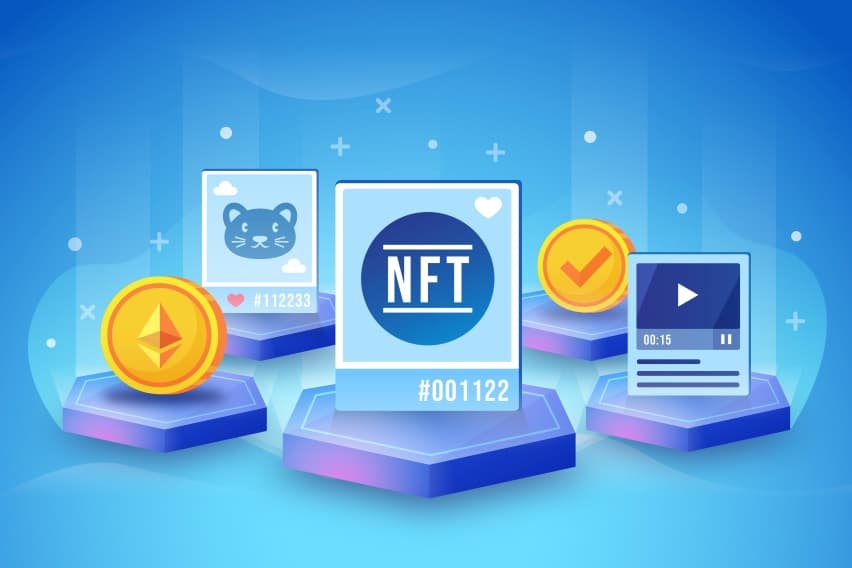
NFT works as a “certificate of ownership” for that digital asset.
Blockchain stores:
- Who creates the NFT
- Who the current owner is
- When the NFT was made
- Previous transactions
- Metadata and the NFT’s identity
This makes NFTs valuable and impossible to counterfeit.
Why is NFT Valuable?
Beginners often wonder,
“Why are NFTs expensive when they’re just pictures?”
The simple answer is:
The high price doesn’t come from the picture, but the ownership and utility.
NFT is valuable because:
- It’s rare
- Supported by a large community
- Provides utility (access, membership, games, events)
- Creator or brand reputation
- Market speculation
- Social and historical status
NFT is a combination of a digital collection, membership, and online identity.
Benefits of NFT for Beginners
Key benefits of NFT:
- Clear digital ownership – you have assets that cannot be counterfeited.
- Exclusive community access – NFTs serve as digital tickets.
- Ownable game items – not just lent like in Web2 games.
- Source of income for creators – automatic royalties from every transaction.
- Digital portfolio/identity avatar – used in Web3 profiles.
- Interoperability – one item can be used across multiple platforms.
- Proof of membership that cannot be lost or stolen (as long as the wallet is secure).
NFT as proof of digital ownership
Before NFTs, you could not prove legal ownership over a digital asset, but now you can.
NFT as tickets & membership
Some NFT projects grant access to:
- Community events
- Private Discord channels
- Whitelist for other projects
- Premium content
- Access to early products
NFT as a new creator economy
Artists don’t just rely on galleries or music labels anymore—they can sell directly to fans.
NFT as in-game items
One of the biggest use cases, in-game NFTs can be:
- Stored
- Exchanged
- Used across games
- Hold economic value
NFT as proof of digital identity
Most Web3 users have NFTs as avatars to represent status, membership, and the community they are a part of.
Personal Experience of Using NFT
“I tried using NFT for 18 months—this is what I learned as a beginner.”
1. The NFT Community is Friendlier than I Thought
Many NFT communities are active, educational, and helpful to beginners learning about Web3 technology.
2. NFT Memberships are More Attractive than Most Social Groups
I gained access to:
- Online events
- Community discussions
- Early whitelist
- Exclusive content not available to the public
This provides more value than just following social media accounts.
3. NFT Teaches Blockchain in Real Ways
Rather than learning about blockchain theories, purchasing 1 NFT taught me:
- How wallets work
- Transaction procedures
- Gas fee
- Smart contract
- How to store digital assets safely
4. NFT Games Grant Real Ownership
In a Web2 game, items can be disposed of at any time.
In an NFT game, items belong to me, even if I quit the game.
5. The Most Valuable NFTs are Those With Utility
The most important lesson I learned is that price does not equal quality. Utility and community are much more important.
Hence, I believe NFTs are the best entryway for beginners to understand Web3. Learning about NFTs is easy and does not require much technical knowledge.
How to Use, Buy, and Choose NFTs for Beginners
Here is a step-by-step guide
Step 1: Get a Crypto Wallet
Popular wallets for beginners:
- MetaMask (Ethereum, Polygon)
- Phantom (Solana)
- Trust Wallet
- OKX Wallet
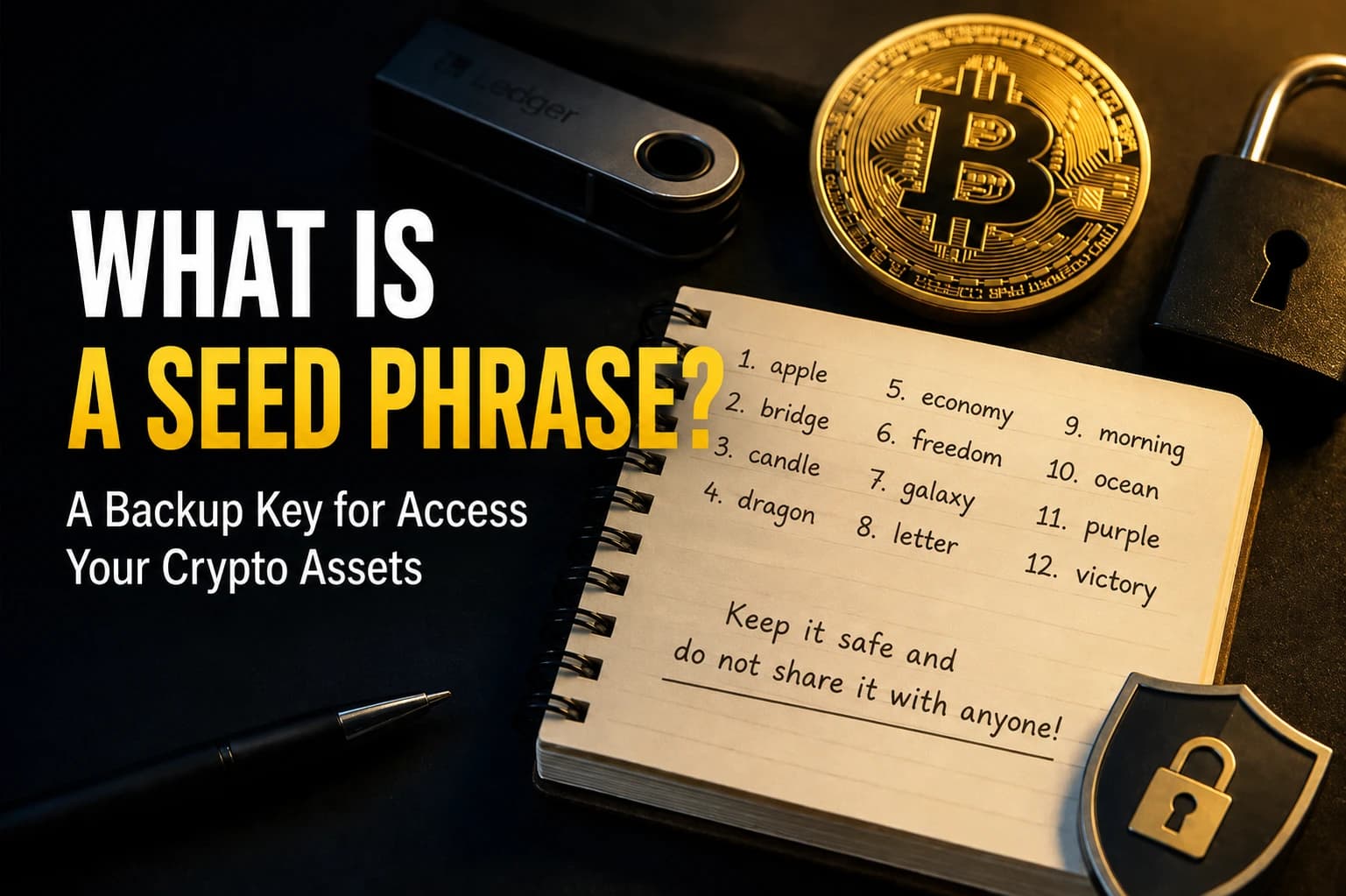
Upon installation, you will earn a seed phrase — this is more important than a password.
Step 2: Top Up Wallet with Crypto
For example:
- NFT Ethereum → requires ETH
- NFT Solana → requires SOL
- NFT Polygon → requires MATIC
Buy on CEXs, such as:
- Binance
- Coinbase
- Indodax
- Bitmart
- Local marketplaces
Then, transfer the cryptocurrency to your wallet.
Step 3: Choose an NFT Marketplace
Popular marketplace options:
- OpenSea
- Magic Eden
- Blur
- Rarible
Blockchain-specific marketplaces:
- Ethereum → OpenSea, Blur
- Solana → Magic Eden
- Polygon → OpenSea
- BNB Chain → Binance NFT
For beginners, OpenSea & Magic Eden are the best options.
Step 4: Check Project Details & Authenticity
Before purchasing an NFT, review these:
- Verified badge
- Number of collections
- Floor price
- Number of holders
- The team’s reputation
- Social media & Discord
- Roadmap and utility
Fake NFTs are prevalent in the market, so don’t just click “Buy Now” without checking.
Step 5: Mint or Buy NFT
There are two ways to purchase NFT:
- Mint → Immediate buying after aunching
- Marketplace → Buying from the previous owner
Minting is usually cheaper, but has higher risks.
Buying from a marketplace is more secure, as you can see all transaction history.
Step 6: Store NFTs Securely
Important tips:
- Never share your seed phrase
- Avoid clicking on suspicious links
- Use a hardware wallet to store a large amount of assets
- Don’t connect your wallet to suspicious websites
Risks of NFTs for Beginners and How to Avoid Them
1. Risk of Fraud (Scam Link, Fake NFT)
Solution:
- Check official contracts
- Follow official social media accounts
- Don’t buy NFTs from random links
2. NFT Prices are Volatile
Solution:
- Don’t fall to FOMO
- Prioritize projects with utility
- Don’t use funds for basic needs
3. NFT Without Utility Quickly Become Obsolete
Solution:
- Choose NFTs with long-term benefits
- Check community activity
4. Risks of Losing Wallet / Seed Phrase
Solution:
- Store seed phrase offline
- Don’t send phrases to anyone
5. Illiquid Market (Hard to Resell)
Solution:
- Choose collections with high volume
- Don’t buy NFTs with few holders
How to Optimize NFTS for Beginners
- Use NFTs as community tickets, not price speculation tool.
- Start with inexpensive blockchains such as Polygon or Solana.
- Research utility and roadmaps before purchasing.
- Check Discord and social media activity.
- Don't buy because of hype — 10 minutes of research is far more important.
- Understand gas fees and blockchain transaction costs.
- Begin by learning from inexpensive NFTs, not expensive ones.
Frequently Asked Questions (FAQ)
Are NFTs beginner-friendly?
Yes, because they are easy to use and provide immediate hands-on experience with Web3.
Can NFTs make me money?
Yes, but there is no guarantee, as the price depends on the community and utility.
Are NFTs only for digital art?
No. NFTs can be used as tickets, game items, certificates, memberships, and much more.
What blockchains are suitable for beginners?
Solana and Polygon are the cheapest and easiest to use.
Can NFTs be lost?
NFTs cannot be lost, but you can lose ownership of them if you send your seed phrase to someone else.
Conclusion
NFTs are a technology of digital ownership that is perfect for beginners to understand Web3. With benefits such as unique ownership, community access, and utility in games and memberships, NFTs create new opportunities in the digital world.
For optimal results, make sure you choose official NFTs, assess their utility, and always keep your wallet secure.