DeFi offers transparency, open access, and full control to users over their assets. Hence, DeFi is often referred to as the future of the digital financial world.
How DeFi Works: The Technology Behind A Decentralized Economy
DeFi operates on public blockchain networks such as Ethereum, Binance Smart Chain (BSC), or Solana. Every transaction is transparently recorded on the blockchain, and all users can verify the data in real-time. The key to this system is smart contracts, which are automated programs that replace the role of banks or brokers.
For example:
- When you swap tokens, smart contracts automatically execute the transaction according to the agreed ratio.
- When you stake or lend, smart contracts ensure that interest and assets are sent to your address without human intervention..
In this way, DeFi enables borderless finance, where anyone can participate with just an internet connection and a crypto wallet.
Key Components in A DeFi Ecosystem
Just as the traditional financial world has many instruments (banks, loans, and stock markets), the DeFi ecosystem also has its own components. Here are the most important ones:
1. Decentralized Exchange (DEX)
Platforms like Uniswap, PancakeSwap, and DRX Swap allow users to exchange tokens directly without intermediaries. Unlike centralized exchanges (CEX) like Binance, DEXs do not store users’ funds—transactions occur peer-to-peer and are controlled by smart contracts.
2. Lending & Borrowing
Protocols like Aave and Compound allow you to borrow or lend crypto assets. Lenders earn interest, while borrowers must deposit collateral.
3. Staking & Yield Farming
These are ways to earn passive income in the DeFi world. With staking, users lock tokens in the network to help validate transactions and earn rewards. Yield farming allows users to manage liquidity on DEXs to earn additional rewards.
4. Stablecoin
Tokens whose value is stable because they are pegged to real assets (such as USD). Examples: USDT, USDC, DAI. Stablecoins are the backbone of transactions in the DeFi ecosystem.
What are the meanings of terms such as liquidity, DEX, or gas fee that appear in this article? Find the complete explanation 70+ Crypto Terms & Definitions for Beginners | DRX Token Dictionary.
Benefits of DeFi Over Traditional Finance
Here are the reasons why DeFi is one of the most disruptive innovations in the financial world:
- No Intermediaries (Non-Custodial): You have full control over your own assets. No bank can freeze your funds.
- 24/7 Global Access: Anyone in the world can make transactions anytime, without time or regional restrictions.
- Full Transparency: All transactions are publicly visible on the blockchain.
- Opportunity for Passive Income: Staking, yield farming, and lending, allowing users to earn passive income from their crypto assets.
Risks and Challenges of DeFi
Despite its potential, DeFi still has risks that you should understand before diving in.
- Bug or Gaps in Smart Contracts: If contracts are not properly audited, hackers can exploit them.
- Rug Pull: Developers suddenly withdraw users’ funds and disappear.
- Price Volatility: Tokens’ value can fluctuate wildly.
- Unknown Reputation: No institution can protect you in case of losses.
Here are some widely known DeFi platforms that give a real picture of this ecosystem:
| Category | Platform | Best Feature |
| DEX | Uniswap, PancakeSwap, DRX Swap | Instant token swapping without intermediaries |
| Lending | Aave, Compound | Crypto lending with a collateral system |
| Staking | DRX Token, Lido Finance | Returns from network participation |
| Stablecoin | DAI, USDC | Stable value for DeFi transactions |
How to Start Using DeFi as a Beginner
Interested in giving DeFi a try? Follow these steps.
Step 1: Prepare a Crypto Wallet
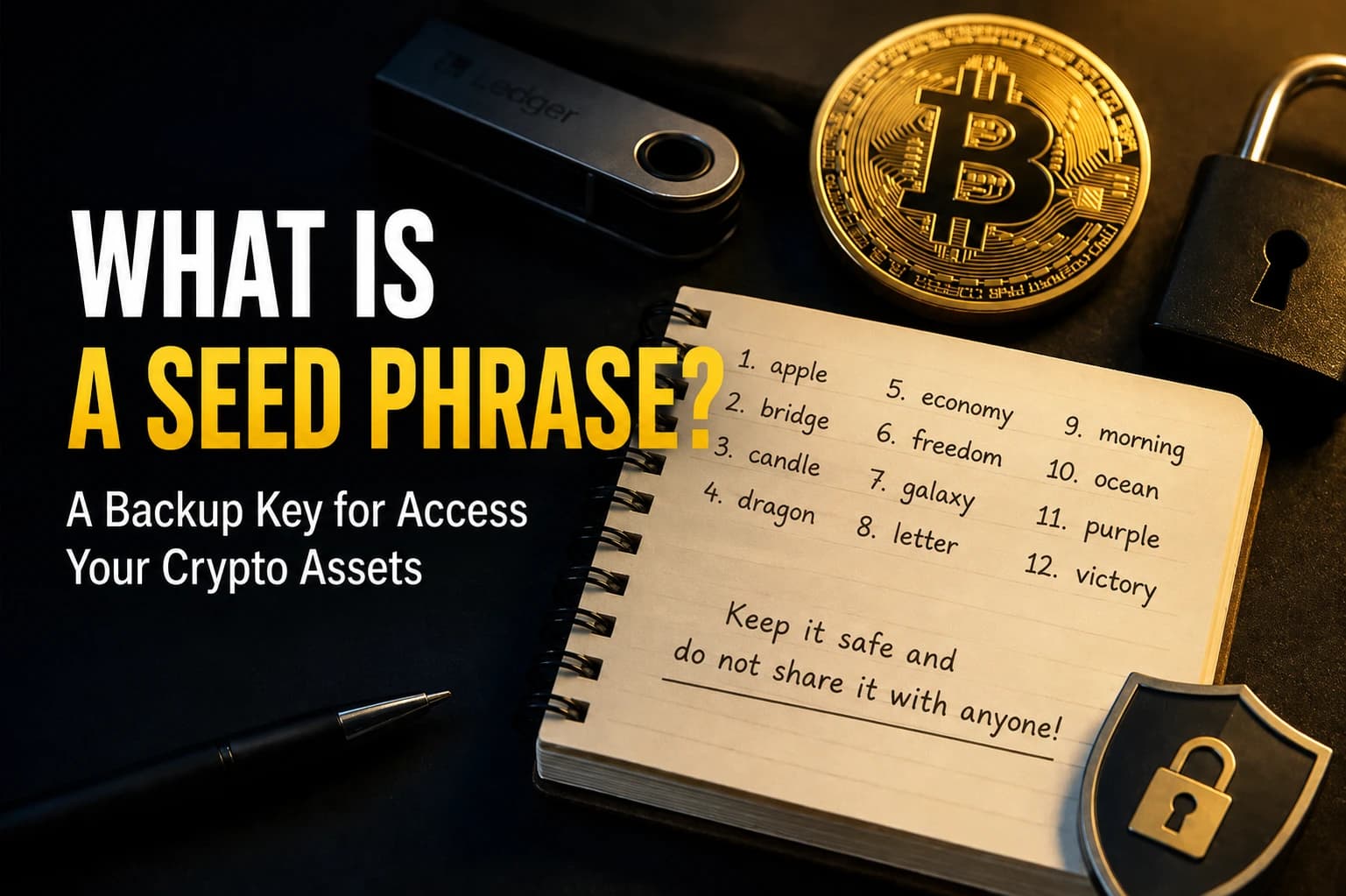
Use wallets such as MetaMask or Trust Wallet. Remember to store your seed phrase securely. Since these wallets are non-custodial, there is no way to recover funds if you forget your phrase.
Step 2: Top Up Wallet with Tokens
Buy tokens such as DRX Token, ETH, or BNB on exchanges, then transfer to your wallet.
Step 3: Connect to a DeFi Platform
Visit a DEX website such as DRX Swap and connect your wallet. You can start swapping, staking, or farming your tokens.
Step 4: Keep An Eye on Security
- Use official and verified platforms.
- Check smart contracts’ audits.
- Avoid suspicious links (phishing).
The Role of DRX Token in DeFi
DRX Token is a crypto asset designed to strengthen the decentralized digital finance ecosystem.
With features such as DRX Swap, DRX Bridge, and DRX Earn, this token serves as a bridge between users and various DeFi services.
Some of the main roles of DRX Token in the DeFi ecosystem:
- As A Utility Asset: Used for swapping, staking, and transactions on DRX’s platform.
- As A Reward & Governance Token: DRX Token holders can participate in decision-making in the ecosystem (governance).
- To Improve Liquidity: DRX Token plays an important role in maintaining pool liquidity and transaction efficiency on DRX Swap.
- As A Tool for Security and Transparency: Every transaction is recorded on-chain, upholding the principle of full transparency.
The Future of DeFi: Toward a Decentralized Global Financial System
DeFi is expected to continue growing rapidly as global blockchain adoption increases. These future trends will define the direction of DeFi:
- Cross-Chain Interoperability: Enables faster asset transfers between blockchains.
- DeFi 2.0: Integration of automated liquidity and more efficient yield models.
- Real-World Collaboration: Integration of stablecoins with real assets such as gold, property, and tokenized stocks.
DRX Token positions itself at the forefront of these innovations by building a cross-ecosystem bridge, allowing users to enjoy an efficient, secure, and transparent digital finance.
FAQ: Frequently Asked Questions About Decentralized Finance
1. What is the difference between DeFi and CeFi?
DeFi is open and non-custodial, while CeFi (such as Binance) still uses a centralized system.
2. Is DeFi safe?
It is relatively safe if you use official platforms and audited smart contracts such as DRX Swap.
3. How to start investing in DeFi?
Use a crypto wallet, purchase tokens like DRX Token, then connect to a DeFi platform.
4. What is DRX Token’s role in DeFi?
As a utility token for transactions, staking, governance, and rewards within the DRX ecosystem.
5. Can I earn passive income from DeFi?
Yes, through staking and yield farming.
6. What are the main risks of DeFi?
Smart contract bugs, rug pulls, and price volatility.
7. Can DeFi replace banks in the future?
It has huge potential to do so, given its open and global nature.
Conclusion
Decentralized Finance (DeFi) is not just a trend, but a real representation of the global digital finance revolution. By removing intermediaries and providing full transparency, DeFi gives its users true financial freedom.
DRX Token is one of the pioneers supporting secure, efficient, and inclusive decentralized finance, creating opportunities for anyone to participate in the future of digital finance.
Already familiar with basic terms in the crypto world? Now it's time to learn how DRX Token applies these concepts in its ecosystem. Check out the complete guide in our article: What is DRX Token? Full Guide, Features, and How to Use It