Its features include storing, sending, and receiving tokens. Through a hot wallet, token holders can view and manage all their tokens in one place.
As it is in the form of software, a hot wallet is also called a software wallet.
Cold Wallet
A cold wallet is a physical wallet that is not connected to the internet. Cold wallets store private keys offline in hardware resembling a flash drive.
As cold wallets are not connected to the internet, they are protected from hacker attacks. Therefore, cold wallets are suitable for storing large amounts of assets.
Hot vs Cold Wallet: Which is Better?
Hot wallets and cold wallets each have their own advantages and disadvantages. Use a hot wallet to store crypto assets that you want to use for transactions or trading. Meanwhile, use a cold wallet to store large amounts of assets for the long term.
Most investors have two types of wallets. Long-term savings are stored in a cold wallet, while tokens for investment, transactions, and staking are stored in a hot wallet.
Also Read: How to Choose the Best Crypto Wallet for Beginners
Best Crypto Wallet Recommendations
Best Hot Crypto Wallet
- Exodus: All-in-one Wallet
- Easy to use on desktop, mobile, and browser
- Supports 50+ assets
- Built-in token swapping support
- ZenGo: Beginner-friendly
- Easy to use for transactions, swaps, and yield farming
- Does not use seed phrases
- MPC technology to separate private keys on ZenGo devices and servers so that neither party can access them
- Trust Wallet: Multi-Chain Mobile Wallet
- Supports 100+ assets
- Supports staking, NFTs, and dApp browsers (Decentralized Application)
- Private keys are protected by biometrics
- MetaMask: Suitable for DeFi and NFT
- Connects to thousands of dApps and NFT platforms
- Supports Ethereum and other EVM blockchains, such as Polygon and Arbitrum
- Built-in token swapping support
- Coinbase: Exchange Integration
- Suitable for Coinbase exchange users who want full control over their assets
- Supports various blockchains, NFT minting, and token swapping
- No gas fees on some networks
- BlueWallet - Mobile Wallet for Bitcoin
- Suitable for small day-to-day transactions
- Designed for quick Bitcoin payments
- Advanced tools such as batch transactions and watch-only mode
Best Cold Crypto Wallets
- Trezor Model One: Best Cold Wallet for Beginners
- Protected by PIN, passphrase, and device confirmation for each transaction
- Supports thousands of assets, such as Bitcoin, Ethereum, and ERC-20 tokens
- Affordable price
- Ledger Nano Flex: Premium Hardware Wallet
- E-ink display and NFC connection
- Supports over 5,500 assets
- Review and sign transactions via the device
- NGRAVE Zero: 100% Offline Security
- Air-gapped (no internet connection)
- EAL-7 certification (highest security certification)
- Biometric authentication and PIN
- SafePal S1: Hardware Wallet for DeFi
- Offline wallet with QR transactions
- Equipped with the SafePal app for staking, swapping, and accessing dApps
- Self-destruction system if the device is tampered with
- OneKey Classic 1S: Price-Performance Balance
- Supports 30,000+ coins
- Supports multichain and batch signing
- Suitable for long-term storage as well as day-to-day transactions
- Cypherock X1: Decentralized Storage
- Private key is stored in 4 separate locations with X1 cards
- Supports over 9,000 assets
- OLED display
How to Choose the Right Crypto Wallet
No single crypto wallet is suitable for all types of investors. When choosing the best crypto wallet, consider the following factors.
Security
Investors who prioritize security should choose a cold wallet that is not connected to the internet to protect their assets from hackers.
However, cold wallets can still be damaged or lost. It is best to store cold wallets in a secure place, such as a fireproof safe.
Convenience
For traders who require quick access to their assets, hot wallets are more suitable. Keep the assets used for transactions, staking, or trading here.
Number of Supported Assets
Most investors own more than one type of coin to diversify their portfolio. Ensure the wallet you choose supports all the types of coins you want to store.
Recovery
Ensure your chosen crypto wallet can recover backup data or wallet access in case of errors or damage.
Ease of Use
Hot wallets generally have a more user-friendly interface, making them more popular among beginner investors.
Price
Most hot wallets can be used for free, but some charge platform fees for transactions or swapping. On the other hand, cold wallets require a larger investment upon purchase, starting at $50.
Crypto Wallet Security Tips
A crypto wallet is a secure way to store and manage assets. However, token holders also have a responsibility to maintain the security of their crypto wallets.
Use a Cold Wallet for Savings
Do not store your savings in a hot wallet, as it is more vulnerable to digital attacks. Cold wallets can only be accessed by their owners, making them more secure.
Secure Your Seed Phrase and Password
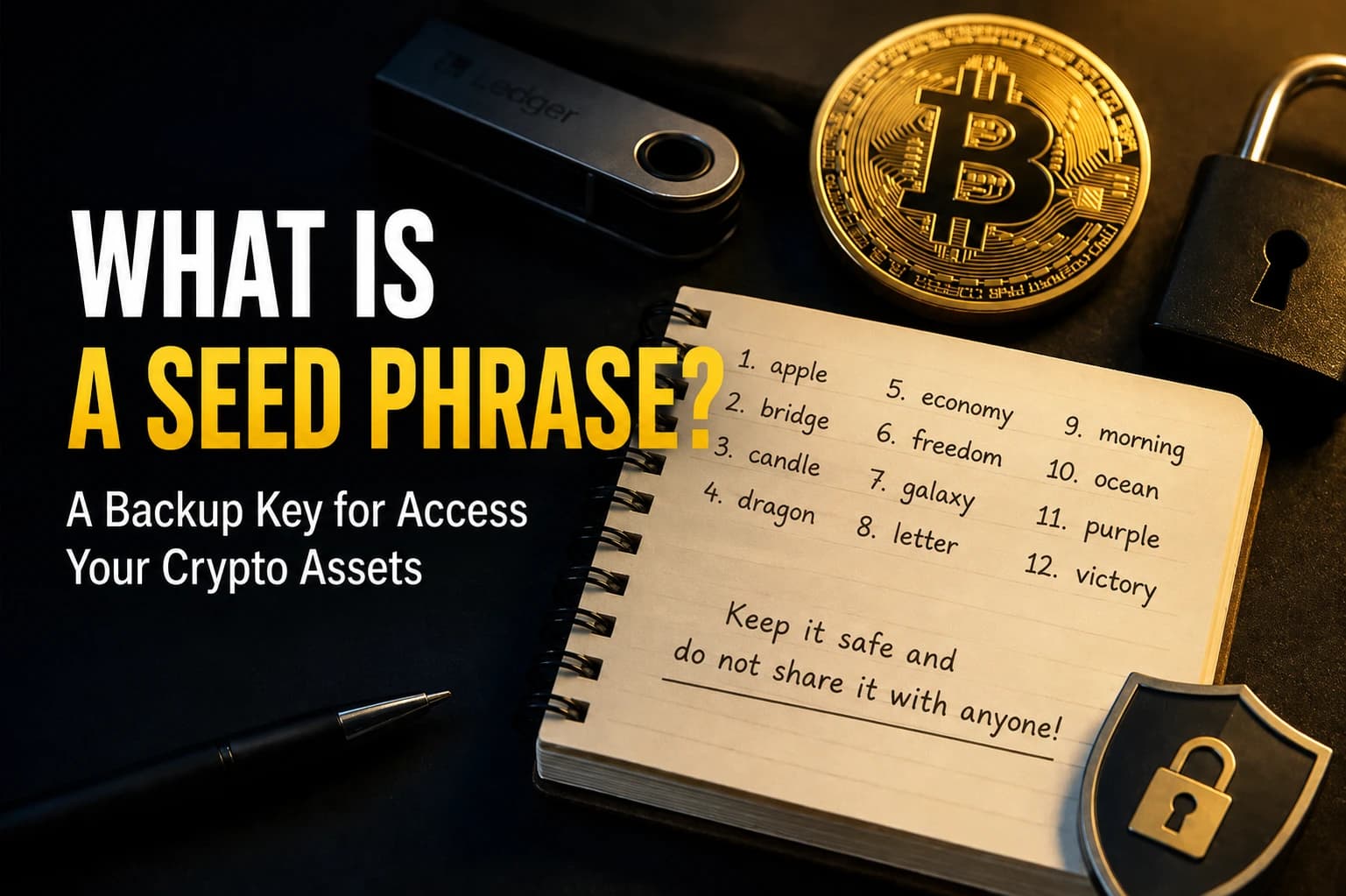
Anyone with access to your seed phrase can access your wallet. Do not store your seed phrase and password online, such as in iCloud or Google Docs. It is best to write down your seed phrase and password on paper and store them in a secure offline place, such as a safe.
Enable Two-Factor Authentication
When using a hot wallet, enable 2FA to prevent unauthorized access. You can also enable biometric authentication as an additional layer of security.
Avoid Public Wi-Fi
Do not make transactions using a hot wallet when connected to a public Wi-Fi network. Hackers can use public Wi-Fi as a means to attack wallets. If you need to use public Wi-Fi, use a VPN and limit transactions to small amounts.
Use a Burner Wallet for Airdrops
One of the biggest mistakes beginner crypto traders make is using their main wallet to receive airdrops. This is too risky because some airdrop events require token holders to connect their crypto wallet addresses to unsafe websites.
If you want to receive airdrops, use a burner wallet that is designed to be used only a few times before being disposed of (burned).
Use More than One Wallet
No matter how much you try to keep your crypto wallet secure, there is always a possibility that your assets are compromised due to hacks or wallet damage.
Minimize losses by spreading your assets across multiple wallets. That way, you won't lose all your assets if one wallet is attacked.
Conclusion
Choosing the best crypto wallet is one of the wisest investments for crypto investors. Be sure to choose a hot or cold wallet that suits your needs and priorities. For beginners, hot wallets are generally more preferable because of their simple interface and wide range of uses.
Always maintain your wallet’s security by storing your seed phrase safely, using a strong password, and enabling two-factor authentication. Cold wallet users should store their wallets in a secure place, such as a safe deposit box, to prevent theft or damage.
Aside from maintaining crypto wallet security, beginner investors should understand how to stay secure while making crypto transactions. Learn necessary crypto safety tips in the article Crypto Security Tips that Every Beginner Should Know.