Data Availability
Nowadays, almost all data is stored digitally. However, Web3 users must be careful about excessive data dependency. What happens if a system does not have the required data? This problem has often been experienced by Web2 users, for example, when they find broken links or links that lead to deleted pages.
In addition, data on Web3 is distributed across the blockchain network, so no single IT team has control over the Web3 system.
Social Engineering
Even as technology becomes more sophisticated, human psychology can still be manipulated. A person or group can pretend to be a trusted party in order to obtain sensitive information.
Types of Common Web3 Attacks
Below is a list of the most common types of attacks in Web3.
Phishing
Phishing is a type of Web3 security attack that targets individuals. Attackers, known as phishers, attempt to obtain victims' personal information or assets through fake messages, emails, or websites.
Phishing is not a new issue that has emerged due to Web3, but it is a prevalent issue that Web3 participants should be aware of. In fact, CertiK reported 248 phishing cases in 2025, with losses accumulating to $722 million.
Supply Chain Vulnerabilities
If a car factory discovers a defect in one of the car parts, that part will be replaced. The same goes for the software supply chain.
However, third-party software creates a wide opportunity for attacks. Attackers can look for loopholes and vulnerabilities in software that can be exploited. As a result, all Web3 systems that rely on that software will be affected.
Governance Attacks
Web3 introduces a governance system through Decentralized Autonomous Organizations (DAOs). Unlike traditional organizations with structured leadership systems, a DAO does not have a centralized leader. Instead, all decisions are made based on voting by token holders and executed using smart contracts.
However, this governance mechanism gives rise to new types of attacks, where a party develops ways to take control of voting power. For example, someone could take out a flash loan to gain more votes.
In traditional organizations, decisions must still be approved or signed by an authorized party. However, in Web3, decisions are immediately executed by smart contracts. These cannot be canceled, making it easier for attackers to exploit.
Oracle Attacks
Data on the blockchain is not connected to the real world. Therefore, many Web3 projects use oracle systems to access real-world data in real-time. This is a source of information that determines asset prices, especially for real-world asset tokens.
However, attackers have found ways to manipulate oracles so that they do not provide accurate data. Therefore, oracles must be standardized to protect the market from price manipulation.
Also Read: What is a Scam? A Complete Guide to Digital & Cryptocurrency Fraud
Wallet Security Tips
As individuals, we cannot single-handedly prevent attacks or eliminate threats to Web3. However, there are several steps we can take to protect our digital assets. One of them is to maintain the security of our crypto wallets.
Change Passwords Regularly
Use a password that is not easy to guess and not used for other accounts. Change your password regularly and store it in a password manager app for additional security.
Enable Two-Factor Authentication
Two-factor authentication is an easy way to enhance wallet security. One way to enable 2FA is by installing third-party applications, such as Google Authenticator.
In addition, enable biometric authentication using fingerprints or face scans. That way, only the owner can access a wallet.
Use More than One Wallet
Diversifying assets is important, and so is diversifying wallet usage. Don't store all your digital assets in one wallet to minimize losses if the wallet is lost, damaged, or hacked.
For example, many investors use hot wallets for daily transactions and cold wallets to store long-term assets. You can also use separate wallets to receive airdrops or set up a special wallet for your NFT collection.
Don’t Share Sensitive Information
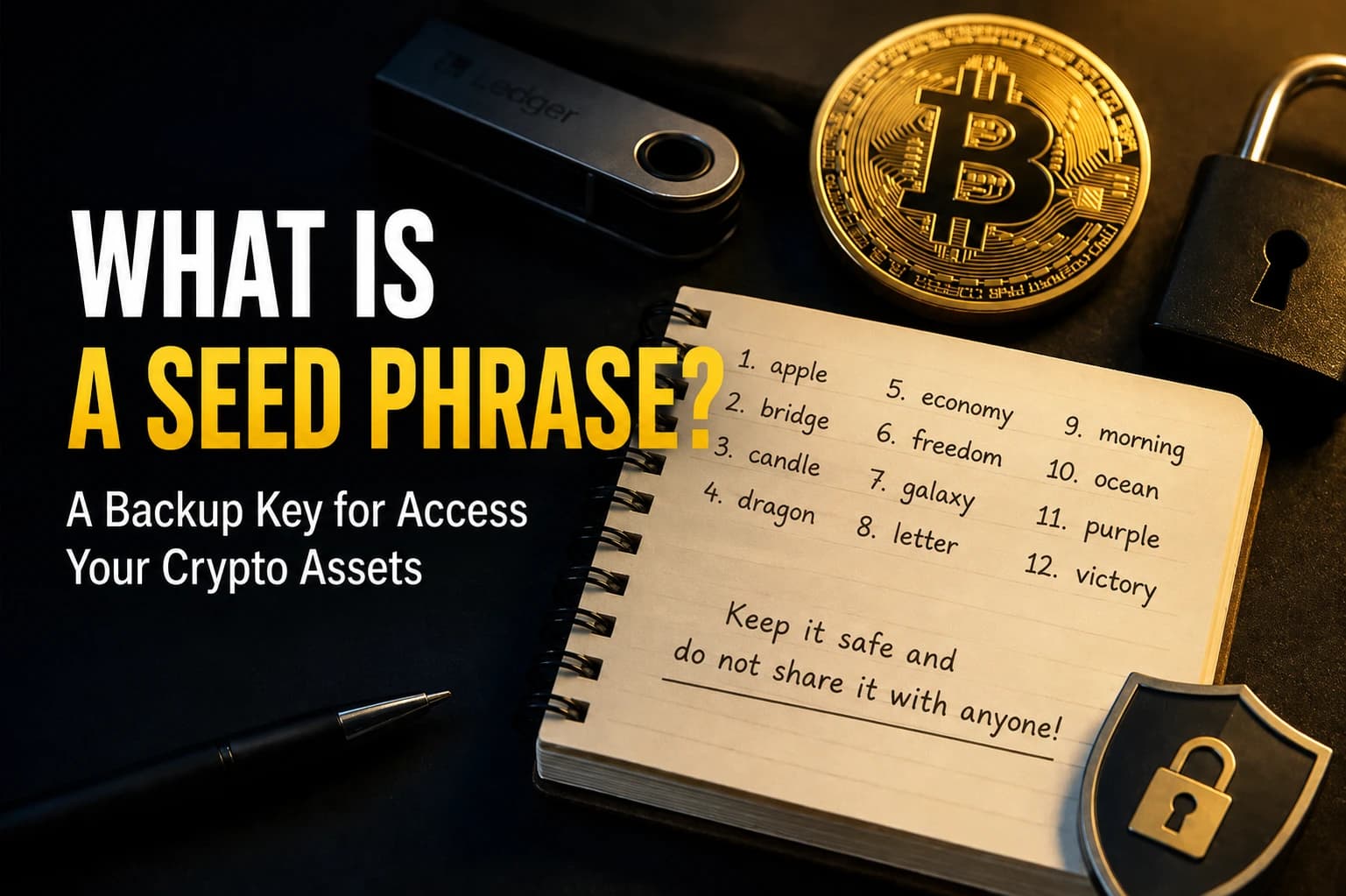
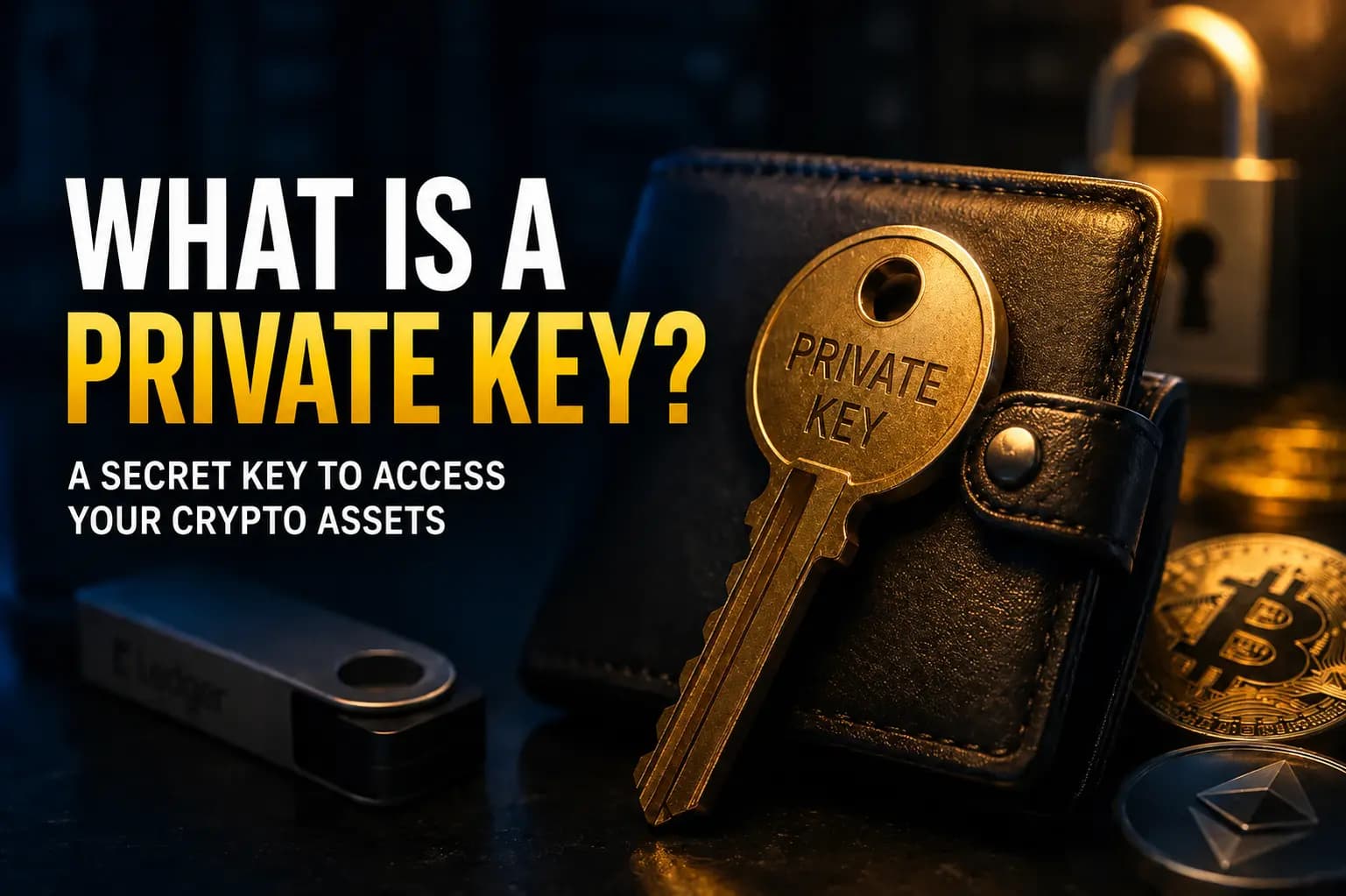
Managing personal information is key to Web3 security. Keep your private keys and seed phrases safe and do not share them with untrusted individuals. Anyone with access to your private keys can access your digital assets.
To enhance security, avoid posting your trading activities on social media. This will attract the attention of malicious individuals.
Check Recipient Wallet Addresses
Before sending cryptocurrency to another wallet, make sure to check the recipient's ID thoroughly. Don't just check the first and last characters, because attackers can use programs to edit wallet addresses so that they lead to hackers' wallets.
Avoid Public Wi-Fi
Avoid using public Wi-Fi networks when accessing crypto wallets. If you have to use public Wi-Fi, use a VPN to mask your IP address and limit your use of wallets or exchanges to small transactions only.
How to Verify Smart Contracts
Smart contracts are the foundation of blockchain, so knowing how to verify smart contracts is a crucial element in Web3 security. Verifying smart contracts is important to ensure that the source code matches the bytecode on the blockchain.
Bytecode can only be read by machines, so humans cannot directly verify that the bytecode matches the source code. Therefore, smart contract verification is done using automation tools.
How to Verify Smart Contracts with Etherscan
The easiest way to verify smart contracts is to use Etherscan. This process does not require any programming skills.
- Open the smart contract on Etherscan, then click the Contract tab.
- Click the Verify and Publish link.
- Select the file type, compiler version, and license. The verification process will fail if there is a mismatch between the smart contract type or the license.
How to Verify Smart Contracts with Hardhat
Hardhat is a popular smart contract development framework. To verify the smart contract source code, you need an Etherscan API key.
1. Create a Hardhat boilerplate project.
npx hardhat init
2.. Update the hardhat.config.js file to include the etherscan object and Etherscan API key.
module.exports = {
networks: {
sepolia: { ... },
},
etherscan: {
apiKey: "YOUR_ETHERSCAN_API_KEY",
},
};
3. Run this command to verify the source code.
npx hardhat verify --network sepolia DEPLOYED_CONTRACT_ADDRESS 'Constructor argument 1'
How to Verify Smart Contracts with Remix.IDE and Etherscan Plug-in
With Remix.IDE, you can install the Etherscan plug-in to verify smart contracts through your browser.
- Once all smart contracts have been compiled, go to the Etherscan plug-in.
- Select the smart contract you want to verify.
- Include constructor arguments if needed.
- Click Verify.
How to Verify Smart Contracts with Brownie
If a smart contract is deployed with Brownie, follow these steps to verify its source code.
1. To verify a smart contract upon deployment, include the argument publish_source=True.
acct = accounts.load('deployment_account')
Token.deploy("MyToken", "MTK", 18, 1e28, {'from': acct}, publish_source=True)
2. To verify a smart contract after deployment, add the following command.
token = Token.at("0x114A107C1931de1d5023594B14fc19d077FC4dfD")
Token.publish_source(token)
Also Read: Why Is Smart Contract Audit Important and How Does It Work?
In addition to exercising discipline in maintaining transaction security and using wallets, various tools can be used to maintain Web3 security.
Kerberus
Kerberus is a browser extension on Chrome, Firefox, and Edge. Kerberus protects users by detecting potential scams in real-time while surfing the internet, connecting wallets, and approving transactions.
ScamSniffer
A Web3 security solution available as a browser extension for Chrome, Firefox, and Edge. ScamSniffer identifies scam sites and malicious transactions in real-time using knowledge from an extensive database.
ScamSniffer supports various blockchains, including Solana, Bitcoin, TON, Tron, and the EVM (Ethereum Virtual Machine) network. NFT marketplaces also utilize the ScamSniffer API to check URLs and protect their communities.
Web3 Antivirus
Web3 Antivirus is a Web3 security browser extension available on Chrome, Firefox, Brave, Edge, and various other browsers. This antivirus uses transaction simulation powered by machine learning, smart contract analysis, and risk assessment to protect users before they approve transactions.
This Web3 security extension performs real-time analysis that enables users to see the side effects of a transaction before approving it. Web3 Antivirus supports Ethereum, Polygon, Arbitrum, BNB Chain, Optimism, and various other EVM blockchains.
Revoke.cash
Revoke.cash is an essential tool for crypto wallet security. Decentralized applications require user permission for token transactions. If not revoked, these permissions will remain active indefinitely.
Revoke.cash allows users to inspect and revoke token approvals on over 100 EVM networks. This Web3 security extension also alerts users if they are about to approve a potentially dangerous transaction to prevent phishing scams.
Forta
Forta is a Web3 security tool in the form of a firewall that provides real-time blockchain monitoring and protection. Forta detects anomalies and potential threats in the NFT and DeFi (Decentralized Finance) ecosystems.
Conclusion
Maintaining Web3 security is the responsibility of every participant in its ecosystem. As individuals, we can protect ourselves by securing our crypto wallets and using various Web3 security tools. Also, make sure to use Web3 platforms and applications with verified smart contracts.
Web3 still possesses threats, but it also has vast potential. Learn about various Web3 business opportunities in the article Web3 Metaverse Business Opportunities: Strategies, Use Cases, and Trends in 2025.