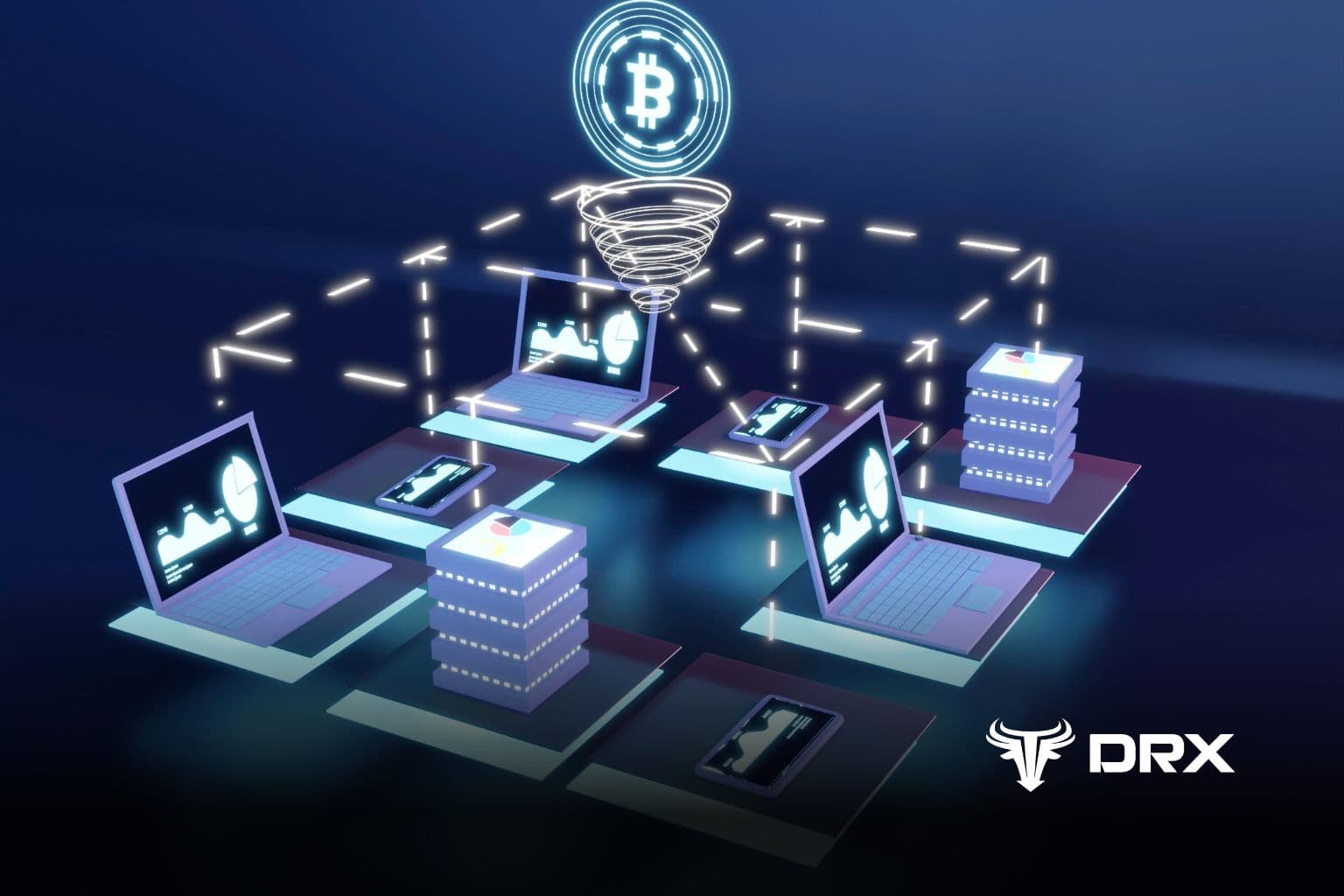
- Digital Asset Ownership – Users can own land, items, avatars, and other assets with full rights on the blockchain.
- New Economic Model – Creates opportunities for play-to-earn, create-to-earn, build-to-earn, and virtual asset tokenization.
- Unlimited Interaction – Businesses can create event spaces, showrooms, meetings, and digital commercial activities.
- Token Integration – Tokens can be used as a means of payment, governance, staking rewards, or ecosystem incentives.
The benefits above form the basis of various monetization models for token researchers to study. Digital ownership enables on-chain trading, new economic models trigger token flows, digital interactions create demand, and token integration provides room to explore utility.
Experience and Analysis
We have been studying the Web3 metaverse for the past 12 months and found intriguing insights:
- Large projects, like Decentraland and Sandbox, still dominate the virtual land economy, but emerging platforms such as Spatial and Oncyber have more organic user adoption.
- Utility tokens with sink demand (crafting and minting fees or access to virtual rooms) are generally more stable than tokens that only serve as rewards.
- Event economy business models (virtual concerts, online seminars, digital fashion shows) display the most consistent growth.
Hence, we believe that the Web3 metaverse is a blockchain sector with the best combination of utility, creativity, and economic opportunities for token researchers.
Step 1: Identify Relevant Metaverse Ecosystems
Choose platforms like Decentraland, Sandbox, Spatial, VRChat Web3, or other emerging metaverses. Monitor the user base, transaction volume, and token model.
Step 2: Analyze Tokenomics & Flow Value
Identify supply, emission, reward, sink, utility, and governance. Make sure the tokenomics is sustainable.
Step 3: Evaluate Virtual Business Model
Determine whether opportunities arise from virtual real estate, event economy, avatar, NFT marketplace, or AI-based creation.
Step 4: Trial and Error (Experimentation)
Try to purchase a small plot of land, create an avatar, join a virtual event, or interact with the marketplace to gain practical insight..
Risks and Solutions
1. Metaverse Token Volatility
Metaverse tokens are known to be volatile.
Solution: Focus on analyzing utility, not price.
2. Business Model Sustainability
Many projects fail because they lack real revenue.
Solution: Find projects with clear revenue flow (transaction commissions, event fees, subscriptions).
3. Manipulation of NFT Volume & Virtual Land
Wash trading is still common.
Solution: Utilize independent analytics on-chain data.
4. Regulatory Risks
Each country has different regulations on digital ownership.
Solution: Study the legality of digital assets in each region.
- Use on-chain data such as Dune, Nansen, or Footprint Analytics.
- Compare real volume vs. artificial volume.
- Analyze token utility before falling to hype.
- Pay attention to the roadmap, not marketing teasers.
- Focus on platforms with active users, not just capitalization.
- Follow community events to stay informed about the direction of trends.
Frequently Asked Questions (FAQ)
Are Web3 metaverse business opportunities safe?
Yes, it is safe as long as you use official platforms and understand the risks of token volatility.
What is the difference between Web3 metaverse and blockchain-based games?
Metaverse encompasses the whole digital ecosystem, while games are a small part of it.
How long until the effect of metaverse business opportunities takes place?
Depends on the model. Some virtual real estate projects take 3–6 months to create value.
Who can utilize the Web3 metaverse?
Token researchers, Web3 developers, digital creators, virtual asset investors, and digital entrepreneurs.
Conclusion
Indonesia’s crypto regulations in 2025 is an important instrument to utilize Web3 metaverse business opportunities. Enjoy benefits like digital ownership, a new economic model, and in-depth token integration.
For optimal results, use on-chain data, understand risks associated with tokenomics, and choose projects with organic user activity.