- DYOR: Conduct in-depth research before investing in a crypto project.
- Monitor Liquidity: Keep an eye on the liquidity pool and exercise caution if there is an uneven distribution of tokens. If 90% of the tokens are held by the developer team, there is potential for manipulation.
Phishing
Phishing scams are carried out by sending fake emails or links to users, then asking for their sensitive information. Users are unaware that this is a scam because the emails or links look legitimate.
Mitigation:
- Avoid Suspicious Links: Be cautious if you receive suspicious emails or text messages, and do not click on links or attachments without caution.
- Follow Official Channels: Get official information through the project's official website or social media accounts.
Exchange Hacking
Hackers can steal funds, manipulate token functionalities, or disrupt network operations by exploiting weaknesses in smart contracts.
Mitigation:
- Smart Contract Audits: Use exchanges that have been audited by reputable security firms.
- Conduct Background Research: Find out if an exchange has been hacked before.
Wallet Hacking
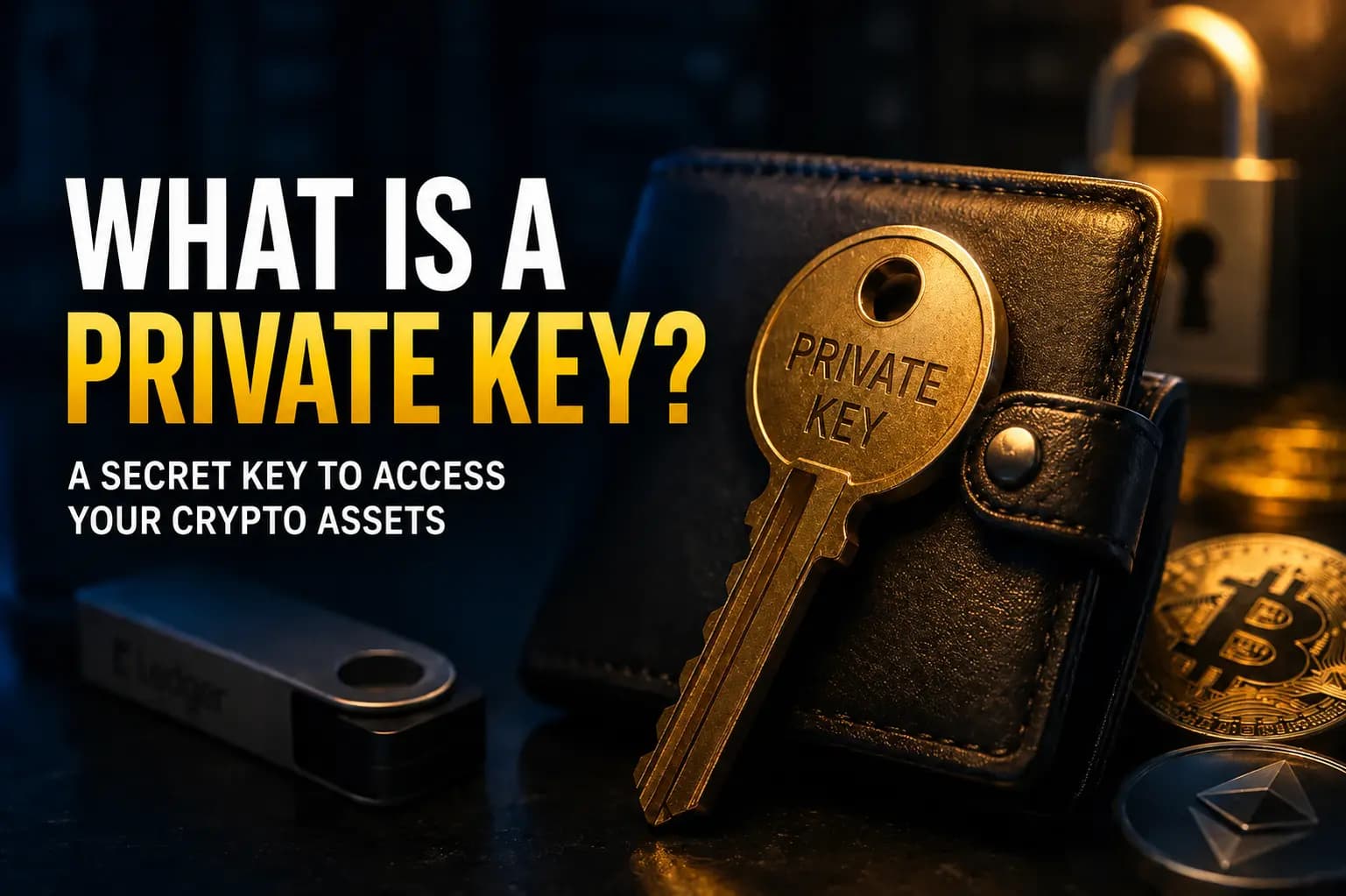
Hackers try to steal private keys from crypto wallets. Once private keys are in their hands, they can access, transact, or even sell users' assets.
Mitigation:
- Use a Hard Wallet: Store savings in a hard wallet that is not constantly connected to the internet.
- Enhance Wallet Security: Use a strong password and enable 2FA (2-Factor Authentication)
Also Read: How to Choose the Best Crypto Wallet for Beginners
Pump and Dump
In this type of scam, the price of a token is artificially inflated through excessive promotion and hype. Then, the perpetrators immediately sell all their tokens, causing the price to drop dramatically. This leaves investors stuck with tokens that are no longer valuable.
Mitigation:
- Read the Whitepaper: If the whitepaper is poorly written and does not include a roadmap for future plans, the token was likely created solely for short-lived hype.
- Don't Fall into FOMO: Don't buy tokens just because the hype is high without doing your own research.
The Best Practices to Store Assets
Securing crypto assets requires a combination of technology and habits to stay vigilant. Here are some steps you can take to safeguard your assets.
Avoid Public Wi-Fi During Transactions
Public Wi-Fi networks are vulnerable to hackers. They can intercept data traffic or set up fake hotspots to steal information. If you must connect to a public Wi-Fi, use a VPN and only make low-risk transactions.
Safeguard API Keys
An API key is like a digital password that allows external applications to access your wallet account. API keys are often used in automated trading to allow wallets to interact directly with exchanges.
To keep your API key secure, store it in an encrypted location. Create new API keys regularly and delete keys that are no longer in use.
Utilize the Whitelist Feature
The whitelist feature restricts transactions and access only to addresses or IPs that are on the whitelist. This reduces the risk of transactions occurring without the user's authorization.
Monitor Accounts Regularly
Many exchange and wallet platforms send notifications when someone logs into your account or makes a transaction. In addition, review your transaction history regularly.
If you notice transactions that you never made, change your password immediately and contact the exchange or wallet’s customer service.
Set Transaction Limits
Limit transactions or withdrawals to a low amount. This helps minimize losses if your exchange or wallet account falls into the hands of unauthorized individuals.
Use VPNs During Transactions
When transacting or accessing your account, use a VPN to protect your address from hackers. Be sure to use a trusted VPN service.
How to Safeguard Your Wallet and Private Key
You need a private key to access assets stored on the blockchain. This private key is stored and managed using a wallet, either a software wallet or a hardware wallet. Here are some tips for keeping your wallet and private key secure to prevent assets from being stolen.
Activate 2-Factor Authentication
Protect your software wallet by enabling 2FA through third-party applications, such as Google Authenticator or Duo. These applications can also send notifications if someone tries to log into your account.
Use a Strong Password
When creating an account, use a long and complex password. Avoid reusing the same password from other accounts. It may be a good idea to use a password manager app to generate strong and unique passwords.
Secure Your Seed Phrase
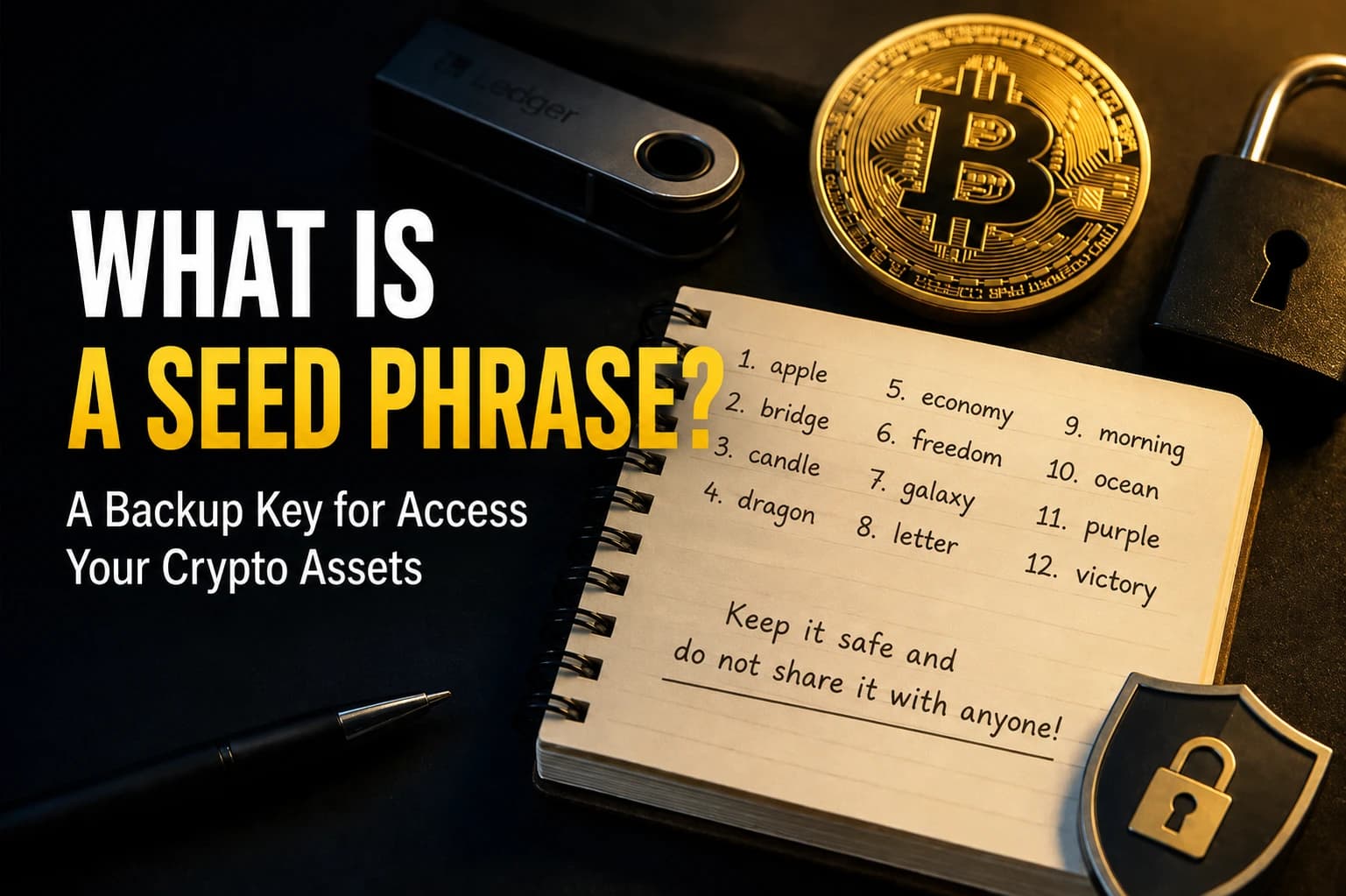
The seed phrase is used to access your assets if your wallet malfunctions or is hacked. Store your seed phrase in a safe, offline location that is protected from damage, such as a safe deposit box.
Use a Hardware Wallet
Hardware wallets are not connected to the internet at all times, so they are protected from online attacks. Be sure to store your hardware wallet’s seed phrase securely to regain access to your assets if your wallet is damaged or lost.
Safe Transactions on Exchanges
Crypto asset transactions generally take place on exchanges, both CEX and DEX. Follow these steps to stay safe when trading on exchanges.
Beware of Phishing
Download the official exchange app from the Play Store, App Store, or the official exchange website. When accessing the exchange’s website, type the address manually. Avoid downloading or clicking on suspicious links from emails, text messages, or internet posts.
Use Audited Exchanges
Audits review systems and smart contracts to ensure there are no loopholes that hackers can exploit. Exchanges that undergo regular third-party audits indicate that they have passed a lengthy security review process.
Use a Blockchain Explorer
Before purchasing a token on an exchange, verify the transaction history and current status using a blockchain explorer. Depending on the token's blockchain, you can use Etherscan, BscScan, or Tronscan.
Crypto Security Checklist for Beginners
Before accessing tokens in your wallet or making transactions on an exchange, make sure this checklist has been completed.
- Your exchange and wallet account passwords are strong and not easily guessable.
- 2-Factor Authentication is enabled.
- Use a hardware wallet to store large amounts of assets.
- The wallet seed phrase is stored in a secure offline location.
- The API key has been updated.
- Review the list of addresses on the whitelist.
- Check the audit and security of the exchange you want to use.
- The exchange’s URL is correct (no typos or incorrect numbers or symbols).
- Do not make transactions based on FOMO.
FAQ
What is the most common crypto risk?
One of the most common risks of crypto is phishing. To mitigate it, never access suspicious links. Phishing can be avoided by typing the website’s URL manually and not blindly trusting emails and text messages that look legitimate.
How to protect crypto assets from attacks?
You can protect your assets by:
- Maintaining account security with strong passwords and 2FA.
- Storing large amounts of assets in a hardware wallet.
- Choosing a trusted exchange that has been audited.
- Securing your wallet seed phrase.
- Conducting thorough research before investing.
Are transactions on an exchange safe?
Yes, transactions on CEX and DEX are safe as long as the exchange has undergone security audits. Users must also maintain account security by using strong passwords and enabling 2FA.
Are crypto wallets safe?
Crypto wallets are safe as long as you use a strong password and enable 2FA. Software wallets can still be hacked, so it's important to back up your seed phrase to regain access to your assets if your wallet is hacked or malfunctions.
Hardware wallets are protected from hackers because they are not connected to the internet at all times. However, there is a risk of hardware wallets being lost, damaged, or stolen. You can still regain access to your assets as long as you have your seed phrase.
Conclusion
Crypto adoption continues to increase, but so do the associated risks. New cryptocurrency investors should understand how to safeguard their assets. Follow the crypto security tips for beginners above and ensure the security checklist is complete before making a transaction.
There are many other forms of scams in the crypto world. Understand the types of scam to be a more vigilant investor in the article: What is a Scam? A Complete Guide to Digital & Cryptocurrency Fraud.