- Vast digital access: The penetration of the internet and smartphones in Indonesia reaches over 70% of the population.
- A digitally literate younger generation: Ages 20–35 dominates the crypto landscape in Indonesia.
- New investment alternatives: Crypto is seen as more flexible compared to stocks or gold.
- Ease of access through local exchange platforms: Such as Tokocrypto, Indodax, and Pintu, making crypto transactions as easy as online shopping.
Amidst the global economic uncertainty, many Indonesians view crypto as more than a speculative tool, but a method of asset diversification and an opportunity for a new digital economy.
Crypto Regulations in Indonesia: Who Controls It?
Many people still misunderstand the legal status of crypto in Indonesia. The fact is that crypto assets are legally recognized by the government, not as a payment method, but as a commodity for digital investments.
This regulation is managed by:
- Bappebti (Ministry of Trade): Regulates and supervises cryptocurrency trading on futures exchanges.
- OJK (Otoritas Jasa Keuangan): Regulates aspects of consumer protection and digital financial integration.
- Bank Indonesia (BI): Prohibits the use of crypto as a payment method in national economic transactions.
With this set of regulations, Indonesia upholds its position as a legal crypto market monitored by the government, unlike other countries that still reject the use of digital assets.
Crypto As A Commodity, Not A Currency
According to Bappebti Regulation No. 8 Year 2021, crypto is classified as a digital commodity that can be bought and sold on licensed platforms.
Meaning, investors can buy or sell crypto assets in official exchanges, but cannot use crypto to pay for goods and services in Indonesia.
This approach allows the government to maintain the balance between innovation and consumer protection, so that the crypto ecosystem can thrive without disrupting monetary stability.
Crypto Exchanges and Ecosystem in Indonesia
One of the main keys of crypto growth in Indonesia is the emergence of local exchanges recognized by Bappebti, some of them being:
- Indodax – One of the pioneering local exchanges with millions of users.
- Tokocrypto – An exchange supported by Binance, focusing on crypto education and local projects.
- Pintu – A mobile-first application with a user-friendly approach for novice investors.
- Pluang & Reku – Multi-asset investment platforms that provide easy access to crypto assets.
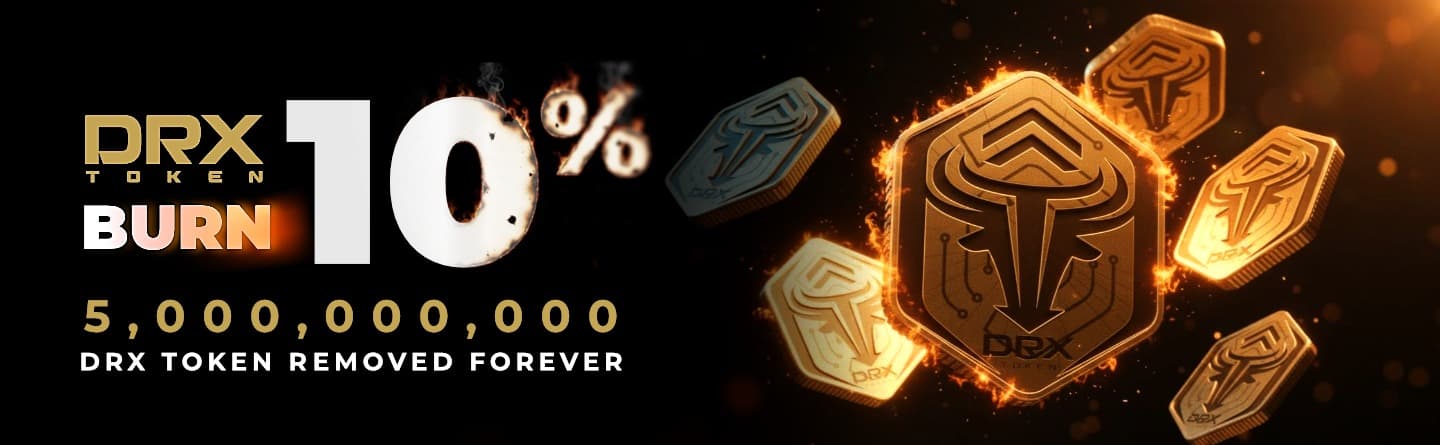
Aside from exchanges, there has been an emergence of supporting ecosystems like educational media, blockchain communities, crypto influencers, and local projects, such as DRX Token, IDK, or Toko Token (TKO). All these elements shape the Indonesian Web3 ecosystem to be even more solid.
Local Projects and Tokens from Indonesia
Some local projects have been highlighted by the global market.
- DRX Token — A utility token project that integrates sports with blockchain.
- Toko Token (TKO) — A Tokocrypto-native token that utilizes the NFT and DeFi ecosystems.
- IDK Token — A stablecoin supported by Rupiah and pegged at 1:1 to IDR.
The rise of these tokens proves that Indonesia is not just a user, but also a creator of innovations in blockchain.
Trends and the Future of Crypto in Indonesia
A few years ago, cryptocurrency was largely seen as speculative trading, but now the trend has shifted to real-world adoption of blockchain technology.
- DeFi (Decentralized Finance): Provides ease of access to products without intermediaries.
- NFT and GameFi: Revolutionize the way Indonesians view digital ownership and online entertainment.
- Web3 Startups: Is starting to emerge in many sectors, from supply chain to digital identity.
- CBDC (Central Bank Digital Currency): Bank Indonesia is preparing a Digital Rupiah to connect traditional finance with cryptocurrency.
Through a combination of a large population, high internet penetration, and relatively open regulations, Indonesia has the potential to be the largest center of crypto adoption in Southeast Asia.
Risks and Challenges of Crypto Investments in Indonesia
Despite its high potential for profit, investors should still be aware of risks of crypto investments.
1. Price Volatility
The value of crypto assets can change by dozens of percent in a day. Investors should understand the concept of volatility and avoid investing based on emotion.
2. Unsecure Exchanges
Make sure to conduct transactions on platforms that are officially registered with Bapebti. Avoid unlicensed applications or sites that promise unrealistic returns.
3. Fraud and Ponzi Scams
There are many scam projects that take advantage of the crypto trend. Education is the main protection against massive losses.
4. Lack of Digital Financial Literacy
The majority of novice investors in Indonesia are hyper-focused on getting rich quickly. On the other hand, it is crucial to do your own research in crypto.
A Beginner’s Guide: How to Start Investing in Crypto in Indonesia
For beginners, follow these safe steps to start investing in crypto in Indonesia.
Step 1: Choose An Official Exchange
Use platforms such as Tokocrypto, Indodax, Pintu, or Reku, which are monitored by Bappebti.
Step 2: Undergo KYC Verification
This is mandatory to ensure the security of user identity and to prevent money laundering.
Step 3: Choose A Cryptocurrency
Start with large assets like Bitcoin (BTC) or Ethereum (ETH) before experimenting with high-risk tokens.
Step 4: Use A Secure Wallet
Store your asset in a private wallet (such as hardware wallets, e.g., Ledger/Trezor) for extra protection.
Step 5: Implement Risk Management
Don’t invest more funds than you are willing to lose. Use a Dollar Cost Averaging (DCA) strategy for long-term investments.
Conclusion: The Future of Crypto in Indonesia
The crypto ecosystem in Indonesia has entered a mature phase. Regulations are clear, official exchanges are rapidly growing, local projects are emerging, and public adoption is increasing sharply.
However, the future of crypto in Indonesia highly depends on education, innovation, and collaboration between the government, industry figures, and the market. With adaptive regulations and high risk awareness, Indonesia has the potential to be the center of a blockchain-based digital economy in Asia.
If you want a deeper understanding of the basics of digital assets, read Crypto Is: Definition, How It Works, and Investment Potential with DRX Token as a complete guide for novice investors.