Sejarah Singkat Cryptocurrency
Kelahiran cryptocurrency dimulai pada 2009, ketika seseorang (atau sekelompok orang) dengan nama samaran Satoshi Nakamoto memperkenalkan Bitcoin, sistem uang elektronik yang berjalan secara peer-to-peer.
Bitcoin diciptakan sebagai respons terhadap krisis keuangan global 2008, dengan visi menciptakan sistem keuangan yang lebih transparan, efisien, dan bebas dari kontrol pemerintah maupun bank sentral.
Beberapa tonggak penting dalam perkembangan cryptocurrency:
- 2009: Bitcoin resmi dirilis dan transaksi pertama dilakukan.
- 2010: Terjadi pembelian pertama menggunakan Bitcoin — dua pizza seharga 10.000 BTC.
- 2015: Ethereum meluncur, memperkenalkan konsep smart contract yang merevolusi industri blockchain.
- 2017: Ledakan ICO (Initial Coin Offering) memunculkan ratusan proyek baru berbasis token.
- 2020–2023: Era DeFi (Decentralized Finance), NFT, dan Web3 mendorong adopsi crypto secara masif.
Kini, cryptocurrency bukan lagi sekadar eksperimen teknologi, melainkan industri global bernilai triliunan dolar yang melibatkan jutaan pengguna di seluruh dunia.
Cara Kerja Cryptocurrency
Untuk memahami bagaimana cryptocurrency beroperasi, kita perlu melihat tiga komponen utama: blockchain, kriptografi, dan desentralisasi.
Blockchain — Tulang Punggung Cryptocurrency
Blockchain adalah rantai blok digital yang mencatat setiap transaksi secara permanen. Setiap blok berisi kumpulan transaksi, dan ketika blok baru ditambahkan, ia terhubung dengan blok sebelumnya, membentuk rantai yang tidak bisa diubah.
Teknologi ini memastikan bahwa data transaksi:
- Tidak bisa dimanipulasi.
- Dapat diverifikasi secara publik.
- Aman dari serangan pihak ketiga.
Kriptografi — Sistem Keamanan Digital
Kriptografi digunakan untuk mengenkripsi data transaksi dan memastikan hanya pemilik sah yang dapat mengakses aset digital mereka. Sistem ini juga mencegah terjadinya double spending (penggunaan ganda satu koin).
Desentralisasi — Tanpa Otoritas Tunggal
Berbeda dari bank tradisional yang terpusat, jaringan crypto terdiri dari ribuan komputer (nodes) di seluruh dunia. Semua node ini bekerja sama untuk memverifikasi transaksi, menjadikan sistem lebih transparan dan sulit diserang.
Jenis-Jenis Cryptocurrency
Walaupun semua disebut “crypto”, sebenarnya aset digital ini terbagi ke dalam beberapa kategori utama:
Coin
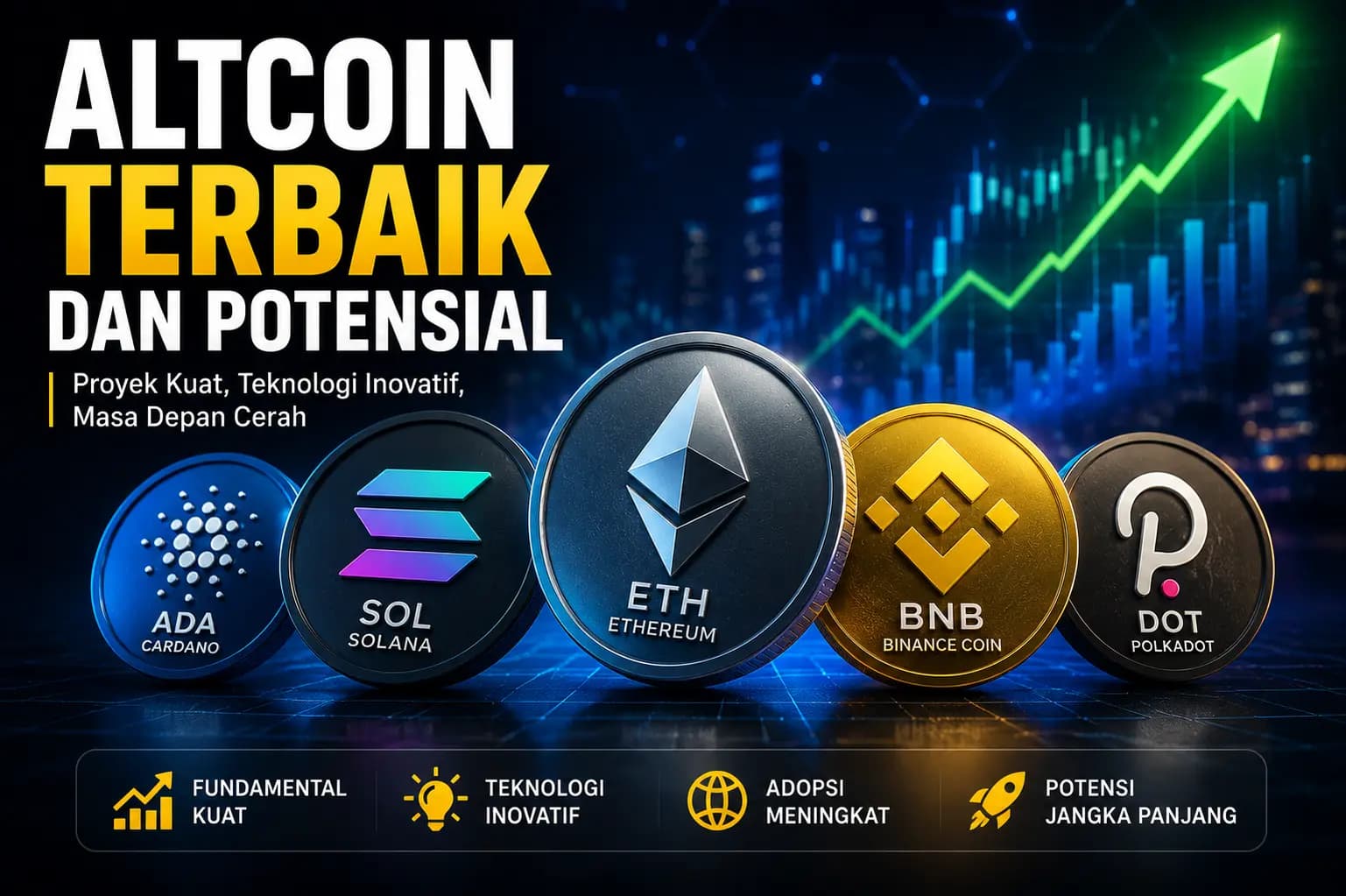
Cryptocurrency yang memiliki blockchain sendiri, seperti Bitcoin atau Ethereum. Umumnya digunakan sebagai alat tukar atau penyimpan nilai.
Token
Dibangun di atas blockchain lain (misalnya ERC-20 di Ethereum). Token bisa berfungsi untuk berbagai hal, seperti:
- Akses ke layanan tertentu (utility token)
- Representasi kepemilikan (security token)
- Pengelolaan proyek (governance token)
Stablecoin
Aset crypto yang nilainya dipatok pada aset stabil seperti dolar AS. Contohnya: USDT, USDC, BUSD. Tujuannya untuk mengurangi volatilitas harga.
Central Bank Digital Currency (CBDC)
Versi digital dari mata uang resmi yang diterbitkan oleh bank sentral — berbeda dari crypto karena tetap terpusat.
Manfaat Cryptocurrency
Banyak orang tertarik pada cryptocurrency bukan hanya karena potensi profitnya, tetapi juga karena manfaat fundamentalnya.
Akses Keuangan Global
Crypto memungkinkan siapa pun dengan koneksi internet untuk mengirim dan menerima uang tanpa perlu rekening bank.
Transparansi dan Keamanan
Semua transaksi tercatat secara publik di blockchain dan tidak bisa dihapus, meningkatkan kepercayaan pengguna.
Efisiensi Transaksi
Tanpa perantara, transfer lintas negara bisa dilakukan dalam hitungan menit dengan biaya rendah.
Inovasi Ekonomi
Teknologi blockchain membuka peluang baru di sektor DeFi, NFT, dan Web3 yang mengubah cara kita bertransaksi dan berinvestasi.
Risiko dan Tantangan
Meski menjanjikan, cryptocurrency tetap memiliki risiko yang perlu diperhatikan:
Volatilitas Tinggi
Harga crypto dapat berubah drastis dalam waktu singkat, dipengaruhi oleh sentimen pasar dan faktor eksternal.
Keamanan dan Penipuan
Peretasan, rug pull, dan phishing masih menjadi ancaman besar di dunia crypto.
Regulasi yang Belum Pasti
Setiap negara memiliki pandangan berbeda soal crypto, ada yang mendukung, ada pula yang melarang.
Kurangnya Pemahaman Pengguna
Banyak investor pemula masuk tanpa riset, hanya tergiur profit, dan akhirnya mengalami kerugian.
Cara Memulai Investasi Cryptocurrency
Bagi pemula yang ingin mencoba, berikut langkah aman untuk memulai:
- Pelajari Dasarnya: Pahami apa itu blockchain, cara kerja wallet, dan konsep dasar crypto.
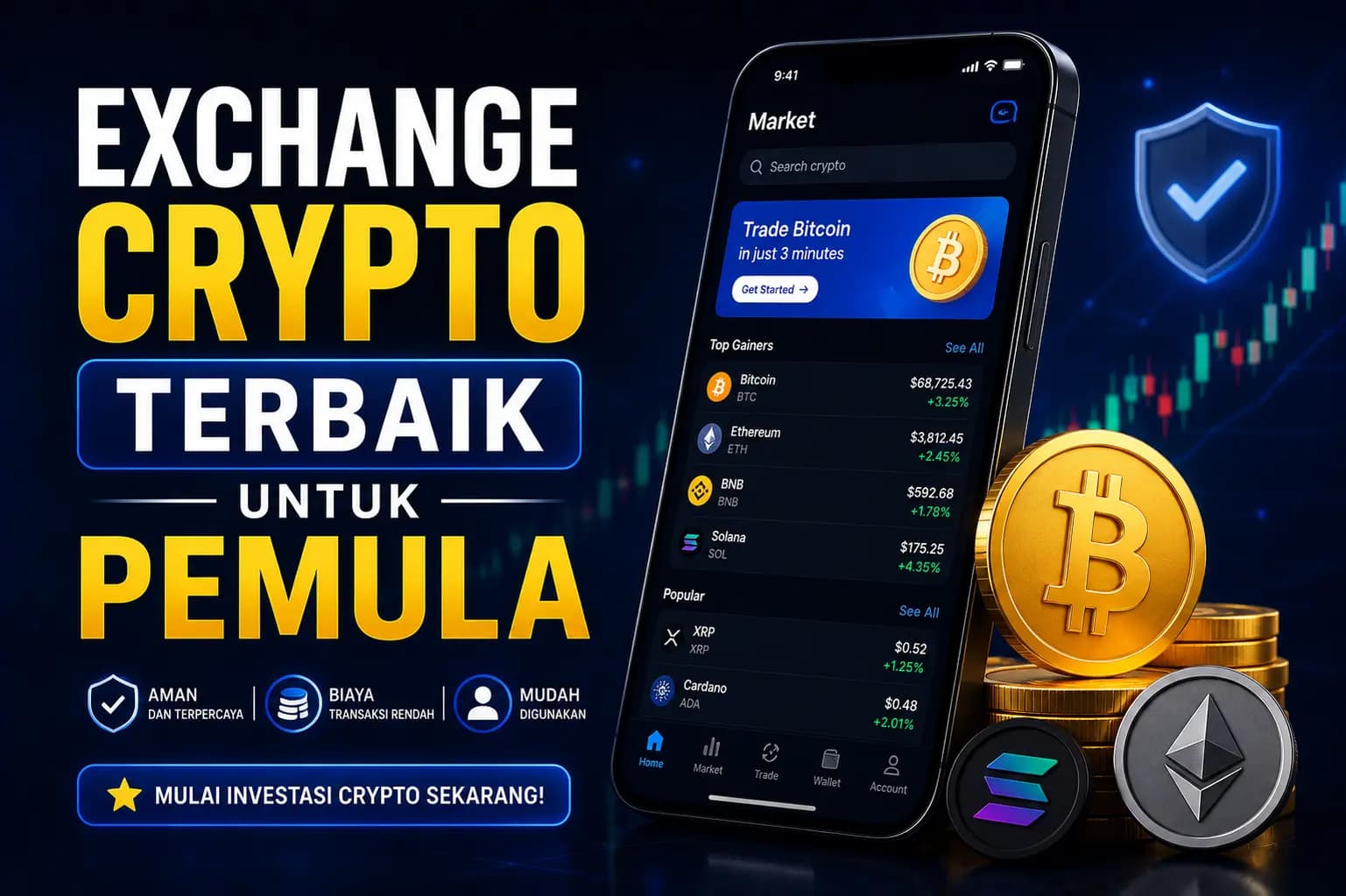
- Pilih Exchange Terpercaya: Gunakan platform teregulasi seperti Binance, Coinbase, atau Indodax.
- Gunakan Wallet Pribadi: Untuk keamanan lebih tinggi, simpan aset di wallet non-custodial seperti MetaMask atau Trust Wallet.
- Mulai dari Nominal Kecil: Investasikan sesuai kemampuan dan hindari menggunakan dana darurat.
- Diversifikasi Portofolio: Jangan hanya membeli satu aset; sebar risiko ke beberapa crypto berbeda.
- Pahami Risiko: Harga bisa naik, tapi juga bisa turun tajam, jadi selalu gunakan strategi manajemen risiko.
Masa Depan Cryptocurrency
Cryptocurrency kini berada di titik penting evolusi ekonomi digital. Banyak negara mulai mempertimbangkan CBDC, sementara perusahaan besar seperti Tesla, Visa, dan PayPal telah mengintegrasikan pembayaran berbasis crypto.
Teknologi Web3, AI, dan blockchain interoperability juga terus berkembang, membuka peluang bagi integrasi lintas ekosistem.
Namun masa depan crypto sangat bergantung pada dua hal utama: adopsi massal dan regulasi yang seimbang.
FAQ: Pertanyaan Umum Tentang Cryptocurrency
1. Apakah cryptocurrency legal di Indonesia?
Ya, perdagangan aset crypto diatur oleh Bappebti. Namun, crypto belum diakui sebagai alat pembayaran resmi.
2. Apakah saya bisa kehilangan crypto saya?
Ya, jika Anda kehilangan private key atau diserang hacker. Gunakan wallet yang aman dan aktifkan autentikasi dua faktor.
3. Apakah crypto bisa dijadikan investasi jangka panjang?
Bisa, tetapi perlu strategi matang dan pemahaman tentang volatilitas pasar.
4. Apa bedanya coin dan token?
Coin punya blockchain sendiri, sementara token dibuat di blockchain lain seperti Ethereum atau BNB Chain.
Kesimpulan
Cryptocurrency bukan sekadar tren, tapi bagian dari revolusi finansial global yang mengubah cara kita melihat uang, investasi, dan teknologi. Meski penuh peluang, dunia crypto juga memiliki risiko yang harus dipahami dengan baik.
Dengan edukasi yang tepat dan strategi yang bijak, siapa pun, termasuk pemula, dapat menjadi bagian dari masa depan ekonomi digital yang lebih terbuka, efisien, dan inklusif.