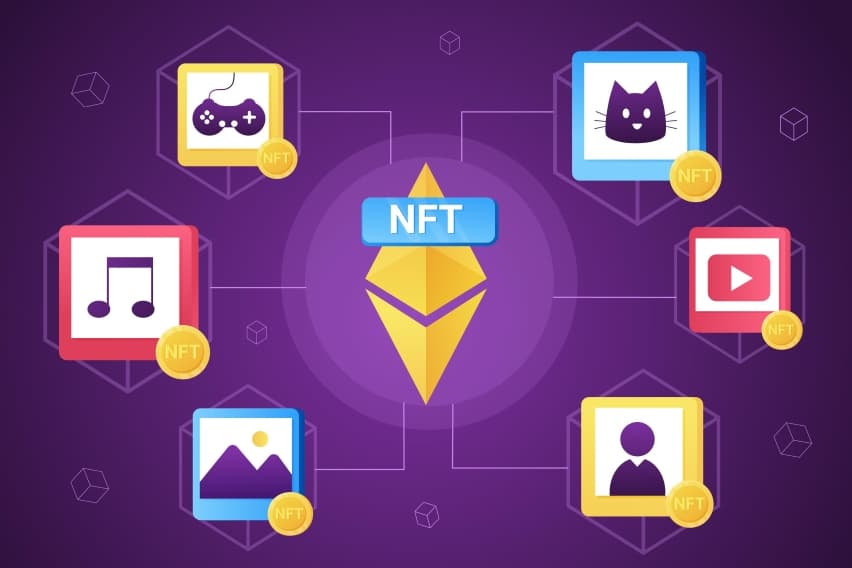
- Greater value proposition: Utility NFTs are not just collectibles, but provide tangible benefits in the real world.
- Building loyalty and engagement: Utility NFTs enable creators, musicians, artists, and athletes to foster closer relationships with their fan communities through access to exclusive content and events.
- Innovative: Utility NFTs open the door to various new business models and revenue streams.
- Flexible: Utility NFTs can be applied across various sectors.
How Utility NFT Works
Simply put, utility NFTs work effectively due to several elements.
Smart contracts and blockchain networks
Utility NFTs are created with smart contracts on blockchain networks. Typically, NFTs use Ethereum or another blockchain that supports NFT standards, such as ERC-721 or ERC-11551. Smart contracts govern the characteristics, utility, and ownership of each token.
Minting
Minting is the process of creating an NFT for the first time. The smart contract transfers ownership to the creator of the NFT. The NFT's metadata is then stored on the blockchain.
On-chain and off-chain utility
The utility aspects of an NFT are implemented through a combination of two mechanisms:
- On-chain utility: Some NFT functions are encoded directly into the smart contract. For example, in an NFT with voting rights utility in a DAO, those voting rights are directly tied to token ownership.
- Off-chain utility: Many utility NFTs serve as “keys” or proof of ownership to access benefits outside the blockchain. The NFT acts as a unique identifier. Think of utility NFTs as unique phone numbers or credit card numbers.
Benefits for NFT holders
For NFT holders to experience its utility, a unique identification code in an NFT will be added to a whitelist. So, NFTs are like digital membership cards that give access to exclusive experiences or benefits.
Utility NFT trading
Utility NFTs can be bought and sold on marketplaces. If someone purchases a utility NFT from the previous owner, ownership of the NFT and access to its utility will also transfer.
After a successful transaction, the smart contract will automatically update the new NFT owner's data on the blockchain. This means the new owner can immediately enjoy the utilities offered by the NFT.
Types of Utility NFTs
Depending on the industry, utility NFTs are divided into several types.
Gaming utility NFTs
Utility NFTs enhance the gaming experience and provide real rewards, not just entertainment. Utility NFTs provide access to exclusive items or serve as rewards for player participation. Examples of gaming utility NFTs include:
- World of Freight: A racing game where players collect and race with NFT cars. Players earn tokens for completing races or delivering cargo.
- Decentraland: A virtual world where players buy and sell NFT assets representing buildings, land, or artwork.
Fashion and luxury goods utility NFTs
In the fashion and luxury goods industry, utility NFTs verify the authenticity and ownership of a physical item. Examples:
- RTFKT Studios: A digital design house selling NFT shoes and digital accessories. Each NFT grants access to 3D models of shoes or accessories that are wearable on various platforms and games. Some items also have real-world counterparts.
- LVMH: A conglomerate that owns luxury brands such as Louis Vuitton, Dior, and Bulgari. LVMH uses NFTs for product authentication. Owners receive a certificate of authenticity and ownership history.
Sports utility NFTs
Utility NFTs serve as a means to collect digital memorabilia, as well as a tool to enhance fan engagement. Utility NFTs can also be used to access premium content and communities. Examples:
- NBA Top Shot: Fans can buy and sell NBA game highlight videos as NFTs, serving as iconic digital memorabilia.
- Sorare: A fantasy soccer game where players collect and manage digital cards of various soccer athletes. Each card is an NFT that represents the athlete's performance and statistics.
Web3 identification utility NFTs
Utility NFTs are very important in creating digital identities in Web3 applications and services. NFTs can protect a person's privacy, security, and reputation. Examples of use:
- Unstoppable Domains: Users create blockchain-based domain names that are censorship-resistant and can be used across various applications. Each NFT domain grants users full control over their online identity.
- Civic: Users create digital identities using blockchain technology. Identity NFTs are used to access services that require identity verification, such as crypto wallets or bank accounts.
Art utility NFTs
Artists and musicians use utility NFTs to provide exclusive access to concerts or meet-and-greet events. They can also airdrop tokens to NFT holders. Examples of utility NFTs in the art sector are:
- ApeFest: A live music festival held by BoredApe for its NFT holders. The festival featured celebrities such as Snoop Dogg and Eminem.
- Royal: A platform created by the founder of OpenDoor for buying and selling music royalties as NFTs.
Real estate utility NFTs
Real estate, as a traditional investment instrument, has also been integrated with NFTs. Utility NFTs allow investors to buy shares of real estate, instead of buying an entire property. Examples of utility NFTs in real estate:
- Omni-PSI: An NFT marketplace platform for buying and selling shares of tokenized real estate assets.
- Propy: A platform for buying and selling real estate as NFTs. Buyers can easily and quickly access legal documents because transactions are recorded on the blockchain.
Best Utility NFT Marketplaces
Utility NFTs can be bought or sold on NFT marketplaces. Here are several recommendations of trusted NFT marketplaces
Binance NFT
- Blockchain: Ethereum, Binance Smart Chain
- NFT types: Art, collectibles, gaming
- Gas fee: Low (for BSC), varies (for Ethereum)
- Suitable for: Beginners and Binance users
OKX NFT
- Blockchain: Ethereum, Solana, Bitcoin, Polygon
- NFT types: Art, gaming, Bitcoin Ordinals
- Fee (excluding gas): Varies
- Suitable for: Cross-chain collectors and creators
OpenSea
- Blockchain: Ethereum, Polygon, Base
- NFT types: Art, collectibles, gaming
- Platform fee: 2.5%
- Suitable for: Beginner and experienced traders
Blur
- Blockchain: Ethereum, Blast
- NFT types: Art, collectibles, trading
- Platform fee: 0%
- Suitable for: Professional traders seeking speed and efficiency
Rarible
- Blockchain: Ethereum, Flow, Tezos
- NFT types: Art, collectibles, music
- Platform fee: 2.5%
- Suitable for: Traders prioritizing transparency and full control
Magic Eden
- Blockchain: Solana, Ethereum, Bitcoin, Polygon, Base
- NFT types: Art, gaming, ordinals
- Gas fee: Low (for Solana), varies (for other blockchains)
- Suitable: Gamers, niche collectors
Nifty Gateway
- Blockchain: Ethereum
- NFT types: Art, music, branded items
- Fee (excluding gas): 5% + 30 cents for secondary sales
- Suitable for: Top creators, artists, and brands
Also Read: How to Choose the Best NFT Marketplace for Accurate Token Research
How to Buy Utility NFTs Safely
How to safely purchase utility NFTs? Beginners can follow these steps.
Choose a Marketplace
The first step in purchasing utility NFTs is to select an NFT marketplace that offers the type of utility NFT you are looking for. Additionally, research the blockchain used and the transaction fees charged by the platform.
Connect a Crypto Wallet
A crypto wallet is used to store cryptocurrency for NFT transactions. Some NFTs can even be stored in the wallet itself. There are two types of crypto wallets:
- Hot wallet: An online crypto wallet, ideal for fast transactions. Examples: Trust Wallet and Meta Mask.
- Cold wallet: A hardware crypto wallet that stores data offline. Examples: Ledger and Trezor.
Make sure the wallet you choose supports the blockchain used by the marketplace. For example, if you are buying utility NFTs on OpenSea, your wallet must support Ethereum.
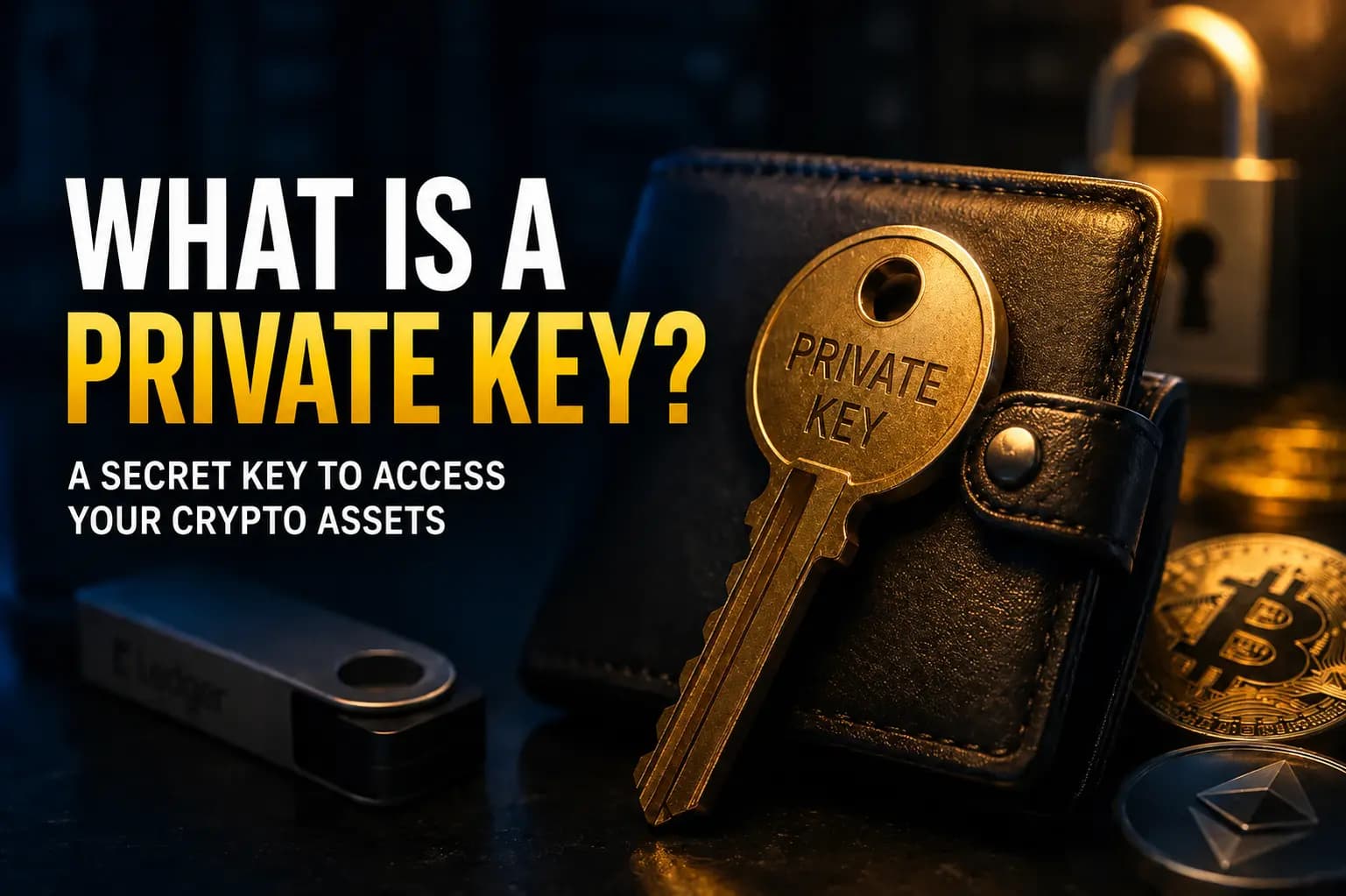
Remember: Never share your wallet's private key with anyone. The private key is used to access the cryptocurrency and NFTs stored in the wallet.
Fill Wallet with Cryptocurrency
Top up your wallet with cryptocurrencies supported by the marketplace. Cryptocurrency will be used to buy and sell NFTs and pay transaction fees.
Buy Utility NFTs
Consider these factors before buying utility NFTs:
- Market trends: Find out what types of NFTs are currently popular.
- Creator reputation: If the creator has a positive work history and reputation, their NFTs are more likely to maintain value.
- Scarcity and utility: Utility NFTs with rare characteristics or attractive utility have higher value.
- Transaction fees: Transaction fees can vary depending on the blockchain and transaction time.
Tips After Buying Utility NFTs:
- Store NFTs securely: Store NFTs in a secure wallet. A cold wallet is preferable to prevent hacking or unauthorized access.
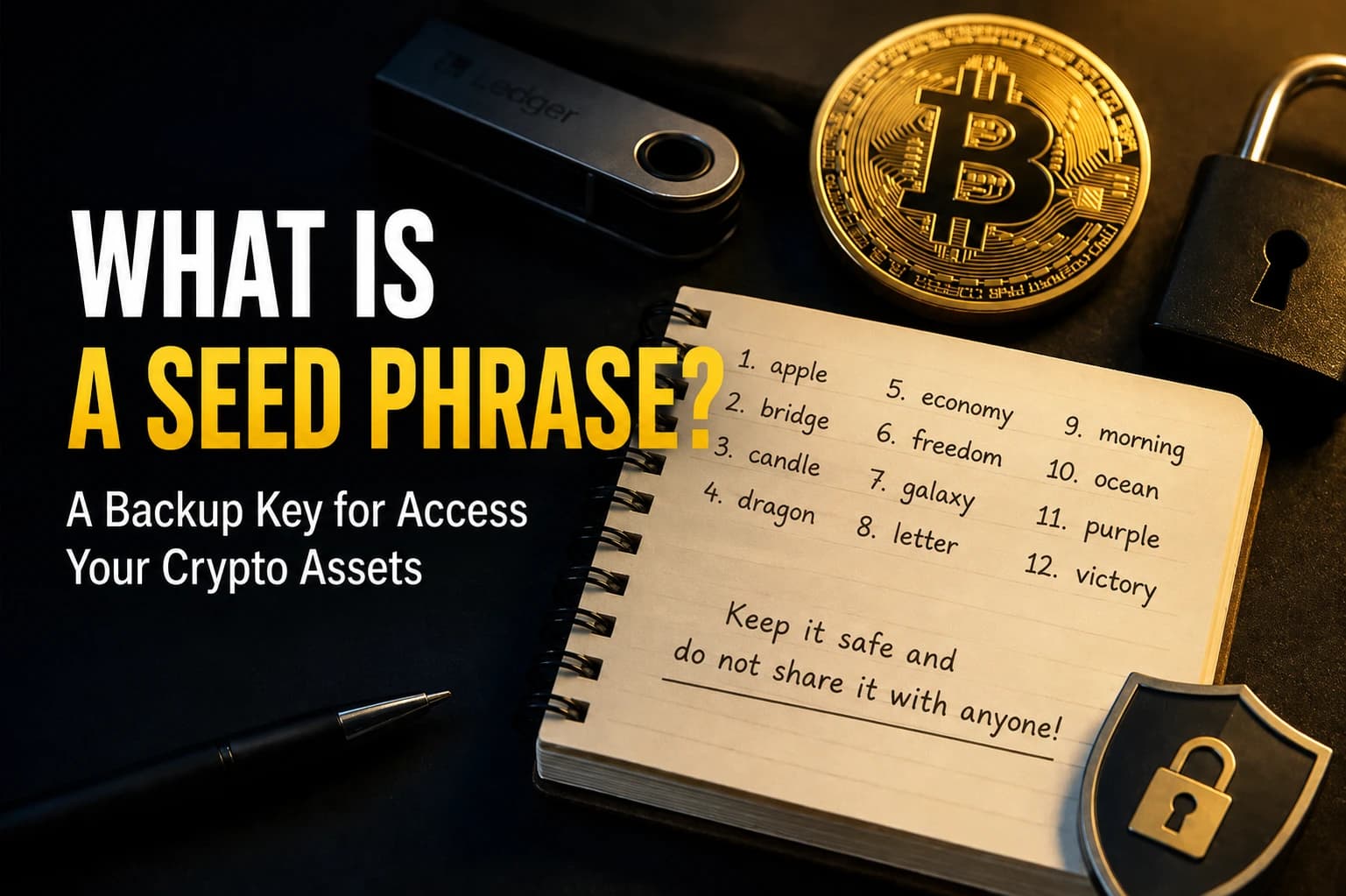
- Store your seed phrase: Your wallet seed phrase must be stored in a secure, offline location. Never share your seed phrase with anyone.
- Monitor market trends: Monitor the value of your utility NFTs and look for trading opportunities.
- Get involved with the community: Join communities on X, Discord, or Telegram so you don't miss out on the latest news and trends.
How to Assess the Quality of Utility NFTs
Just like other assets, investors must be adept at assessing the quality of utility NFTs before deciding to buy them. Research the following factors to understand the quality of a utility NFT project.
Rarity
The essence of NFTs is rarity. The rarer an NFT is, the higher its value.
Utility
Even though they are called utility NFTs, not all NFTs offer the same utility. Compare several utility NFTs in the same sector and weigh all the benefits that NFT holders get.
Community
An active NFT community means that the NFT has real utility that its holders enjoy. Find out about the utility NFT community through social media such as X, Discord, or Telegram.
Developer team
Research the NFT’s development team and make sure they have experience in the world of blockchain. If the development team has a good reputation, their utility NFT project will likely be in high demand.
Roadmap
A serious project must have a clear roadmap that includes clear and realistic long-term plans.
FAQ
What is the difference between utility NFTs and regular NFTs?
Regular NFTs are official proof of ownership of digital assets, such as music, images, videos, and others. Meanwhile, utility NFTs offer real rewards in the form of access to premium content only available to NFT holders.
What are the benefits of utility NFTs?
- Exclusive access: Utility NFTs grant access to exclusive content and experiences that make NFT holders feel more involved with the community.
- Guarantee of ownership and originality: Utility NFTs serve as official proof of ownership and authenticity of physical and digital items.
- Transparent transactions: Through utility NFTs, holders can find out how many of the same NFTs have been sold.
- Source of income: Utility NFTs in the form of music royalties or real estate shares can be a source of passive income for holders.
Do utility NFTs have disadvantages?
Yes, like other digital assets, utility NFTs have several disadvantages.
- Market volatility: The value of NFTs can fluctuate sharply.
- High transaction costs: When purchasing NFTs, consider the platform and gas fees on different blockchains.
- Low liquidity: NFTs can be resold, but the price may not be fair.
Can utility NFTs be lost?
Most NFTs are not permanently stored on the blockchain. While the NFT smart contract itself won’t disappear, the content and metadata of an NFT can be lost. This is why investors should purchase NFTs with real utility, not those with only speculative or collection value.
Additionally, utility NFTs can “disappear” if the seed phrase of the wallet storing the NFT is not properly stored. It’s advisable to store utility NFTs in an offline wallet and never share the seed phrase with anyone.
Conclusion
Utility NFTs bridge the gap between the virtual world of blockchain and real-world experiences. The presence of utility NFTs enhances gaming experiences, brings idols closer to fans, enables easier product authentication, and even creates opportunities for new sources of income.
Want to learn more about Non-Fungible Tokens? Explore the complete definition of NFTs in the DRX Token article: 7 Definitions of NFT & How It Works for Beginners.