PoS was first introduced in 2012 through the Peercoin (PPC) project. Since then, many other blockchains have adopted it.
It culminated in the Ethereum Merge (2022), which officially replaced the PoW system with PoS, marking a major milestone in blockchain history.
How Proof of Stake Works
PoS works in several stages:
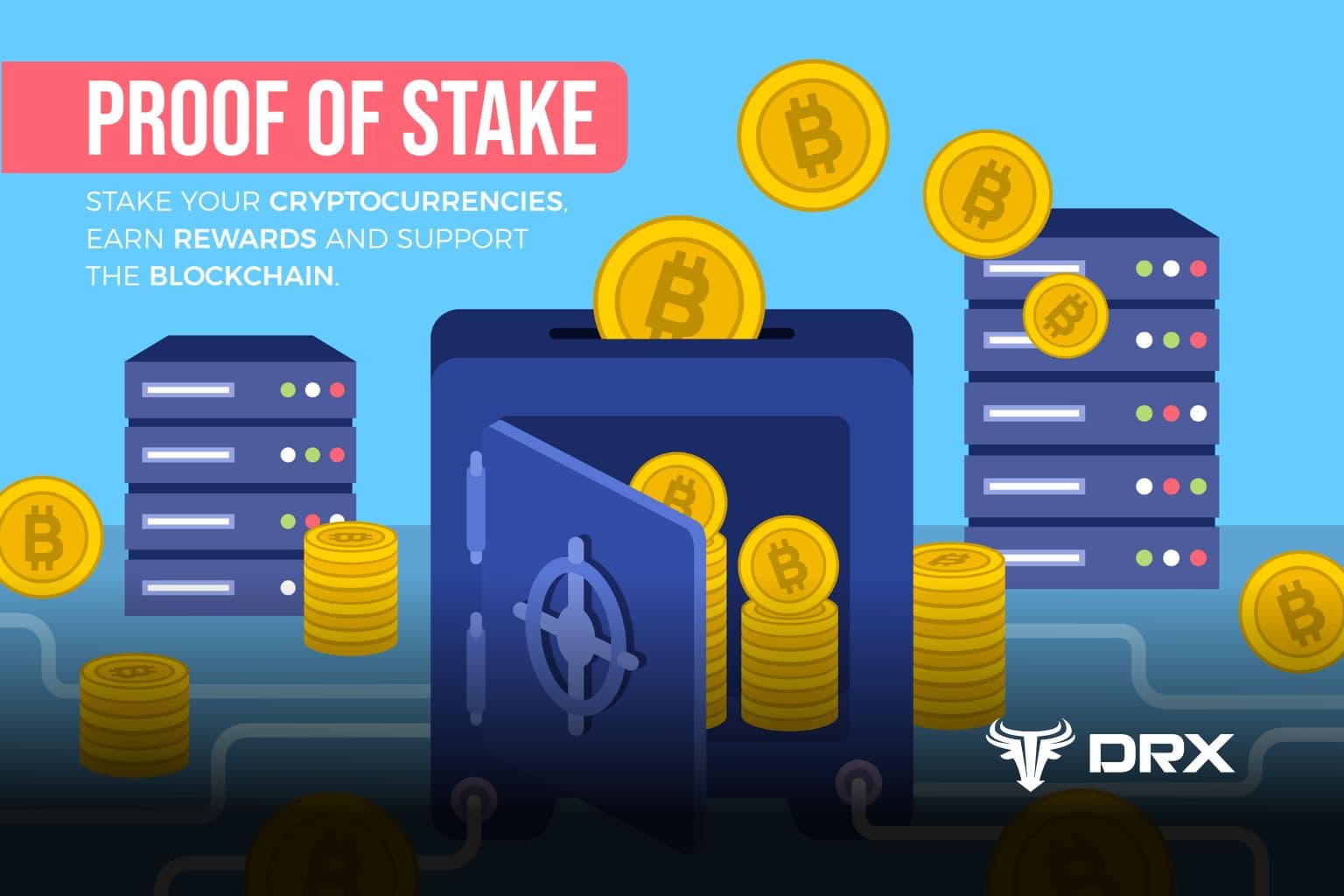
- Staking – Crypto owners lock a certain amount of tokens in the network.
- Validator Selection – The network selects validators based on the amount of staking and other factors (e.g., time of staking).
- Transaction Validation – Selected validators verify new transactions.
- Rewards & Penalties – Honest validators receive staking rewards, while malicious ones may be slashed (losing a portion of their staked tokens).
Key terms: staking pool, delegator, slashing, node validator, block validation.
Advantages of Proof of Stake over Proof of Work
Proof of Stake is popular due to these advantages:
- More energy efficient – It does not require mining equipment with high electricity consumption.
- Low operational costs – Anyone can participate without expensive hardware.
- More Inclusive – Small owners can participate through staking pools.
- Better scalability – Transactions can be processed faster than with PoW.
- Real-world example: After switching to PoS, Ethereum successfully reduced its energy consumption by more than 99%.
Disadvantages and Risks of Proof of Stake
Despite being promising, PoS also has several drawbacks:
- Risk of centralization – If only a few parties own a large number of tokens, they can dominate the network.
- Slashing – Validators with bad behavior can lose assets.
- Nothing at Stake Problem – Validators have the potential to create multiple forks due to low costs.
- Reliance on capital – The more tokens you stake, the greater your chance of being selected as a validator.
Examples of Blockchain Based on Proof of Stake
Several large blockchains that have adopted PoS include:
- Ethereum 2.0 (ETH)
- Cardano (ADA)
- Solana (SOL)
- Polkadot (DOT)
- Avalanche (AVAX)
DRX Token also supports a Proof-of-Stake system. With a staking mechanism, DRX Token allows holders to participate in maintaining network security as well as earn passive income.
Also Read: Crypto is A Digital Currency: Definition and How It Works
Proof of Stake vs Proof of Work
| Aspect | Proof of Work (PoW) | Proof of Stake (PoS) |
| Energy Consumption | High (requires a mining rig) | Low (only through staking) |
| Accessibility | Limited, high capital | More inclusive |
| Security | Very strong | Strong, but risks centralization |
| Scalability | Limited | More flexible |
| Blockchain Example | Bitcoin, Litecoin | Ethereum, Cardano, DRX Token |
How to Earn Money from Proof of Stake?
Many people are interested in PoS because it can be a source of passive income.
- Direct Staking: Locking tokens in the blockchain’s official wallet.
- Staking Pool: Joining a group of validators to increase chances.
- Centralized Exchange Staking: Using a large exchange platform for staking.
For example, DRX Token owners can participate in staking and earn recurring rewards. This means DRX Token is not only a transaction tool but also an asset that can grow over time.
Also Read: How to Stake DRX Token: A Complete Guide for Beginners!
The Future of Proof of Stake in Blockchain
Proof of Stake is expected to become the standard in modern blockchain systems. Here are several reasons why:
- Global regulations are increasingly highlighting the environmental impact of PoW.
- PoS is more environmentally friendly, attracting large institutions.
- The Web3 ecosystem (DeFi, NFTs, metaverse) is better suited for scalable PoS.
DRX Token has the potential to play a significant role in the future PoS ecosystem, particularly in supporting energy-efficient innovations and rewarding its community.
FAQ
1. What is Proof of Stake in cryptocurrency?
Proof of Stake is a blockchain consensus mechanism that uses cryptocurrency staking to select transaction validators.
2. What is the difference between Proof of Stake and Proof of Work?
PoW uses mining and significant energy, while PoS only requires token staking.
3. How do I earn profit from PoS?
By staking tokens in the blockchain network to earn rewards.
4. Does DRX Token use Proof of Stake?
Yes, DRX Token supports a PoS-based system for network security and rewarding token holders.
Conclusion
Proof of Stake is the future of blockchain. With a more efficient and environmentally friendly system that offers passive income opportunities, PoS remains the top choice for many major projects.
If you want to get involved in the PoS ecosystem, consider learning more about DRX Token. This token is not just an ordinary digital asset, but also an innovation in sustainable blockchain technology.