Applications using the Web3 technology can use DID to verify users without requesting personal information, such as name, date of birth, or face and fingerprint.
Identity Wallets in Web3
How is digital identity stored? This is where the Web3 identity wallet comes in. A Web3 identity wallet is an application that stores data in a decentralized manner and is controlled by the individual owner, not a corporate entity like Google or Facebook in Web2.
With DID, identity wallets can connect users to the decentralized applications and services they want to use. These identity wallets are more secure because they are not connected to a centralized database.
DAO and DeFi
The main characteristic of Web3 is decentralization. This is also present in DAO and DeFi, which are key components of Web3.
Decentralized Autonomous Organization (DAO)
A Decentralized Autonomous Organization (DAO) is an organization in the world of cryptocurrency. However, unlike typical organizations run by humans, all decisions in a DAO are made by computer algorithms.
The main task of a DAO is to distribute funds to customers. Decisions are not made by one or a group of managers, but by open source code.
Decentralized Finance (DeFi)
Decentralized Finance, commonly abbreviated as DeFi, is the term for crypto financial service applications.
Its use is similar to conventional financial service providers, such as for lending and borrowing. The only difference is that the currency used is cryptocurrency.
In DeFi, all financial activities are controlled by automated and transparent algorithms.
The terms “NFT” and “Metaverse” have skyrocketed in the past few years. Below is the explanation for these two key components of Web3.
Non-Fungible Token (NFT)
NFT is a token that represents a digital asset. NFT is unique and cannot be traded or exchanged for other assets.
NFT is often associated with the buying and selling of virtual art products, like images and music. However, what is owned is not the artwork itself, but the ownership rights to the artwork.
Metaverse
In 2021, Mark Zuckerberg, CEO of Facebook, renamed his company to Meta. Since then, the term Metaverse has been widely popular.
To put it simply, the Metaverse merges the physical and digital worlds using various programs and technologies.
The Metaverse is made up of various virtual worlds, each with their own ecosystems and properties. The Metaverse can be visited using VR (virtual reality) technology.
Governance Token
The decentralized Web3 ecosystem gives users more freedom in controlling the course of a blockchain project. One way users can exercise control is through governance tokens.
The governance tokens is a crypto asset that provides the right to make decisions in blockchain protocols or projects.
Usually, tokens are used for transactions or trading for profit. However, a governance token is an instrument of digital democracy in decentralized ecosystems.
In other words, governance token holders can be likened to shareholders in traditional companies. They can submit, discuss, and vote on proposals that will determine the future of a blockchain protocol or project.
The Future of Web3
Web3 will continue to evolve. The main components of Web3 will allow everyone to connect in a transparent, decentralized community.
Web3 marks the beginning of an era of community-driven innovation. Success is no longer driven by giant conglomerates, but by transparent communities that build open-source systems.
FAQ: Common Questions About Web3
What are some examples of Web3 applications?
Some Web3-based applications include:
- Spruce ID: An identity wallet app to store and control digital identities in a secure and decentralized manner.
- Centrifuge: A platform to turn real-world assets, like invoices and royalties, into digital tokens.
- Aragon: A tool to build and manage DAOs.
What makes Web3 better than the previous generation of the internet?
Web3’s advantages over Web2 are:
- Users have more control over their own data.
- Transactions and decision-making are more transparent.
- Virtual interactions are more personalized.
- There is more privacy, as data is decentralized instead of being stored by one corporate entity.
Does Web3 have limitations?
Yes, just like all new technologies, Web3 also has limitations, as it is a developing technology. Some of Web3’s limitations include:
- Compared to Web2, it is more complex and harder to understand for most users.
- There is no central authority, so Web3 is harder to regulate.
- Older hardware struggles to run the advanced and latest technology used by Web3.
Conclusion
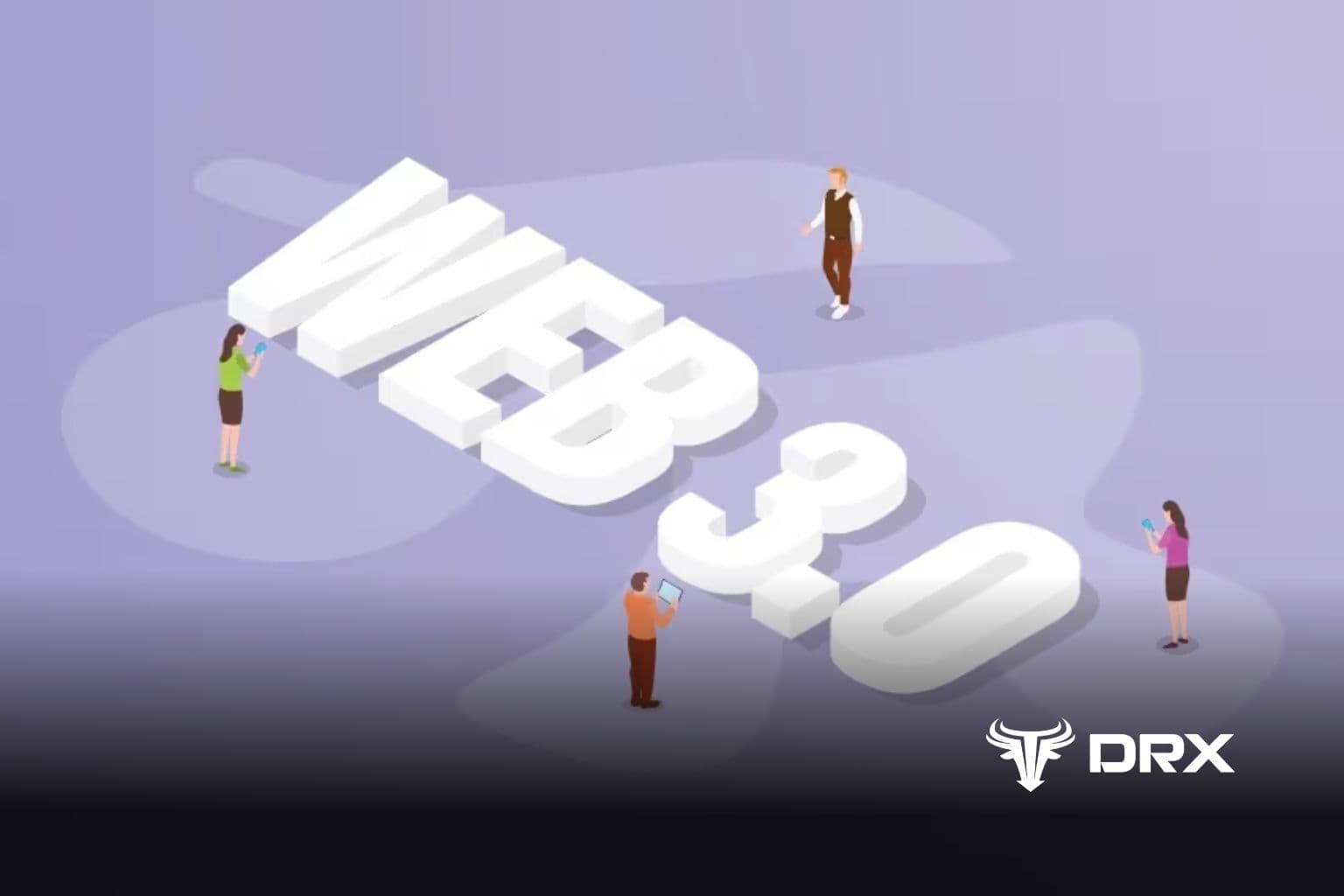
Web3 is a third-generation internet ecosystem that emphasizes decentralization. Everyone has more control over their own data. On top of that, with voting systems like governance tokens, everyone has the opportunity to contribute to impactful blockchain projects.
Interested in making an impact on community development? Time to join the DRX Community. Through the integrated DRX SportNet app, users can earn DRX Token by engaging with the community. Be a part of an innovative movement that combines the world of sports with Web3 today!